Entertainment
How to Sing: A Complete Beginner’s Guide to Improving Your Singing Voice


Learning how to sing is a rewarding skill that allows you to express emotions, build confidence, and enjoy music in a completely different way. Whether you dream of becoming a professional singer or simply want to sing your favorite songs confidently, developing good singing habits can make a noticeable difference. The good news is that you do not need to be born with a perfect voice to become a better singer.
Singing is a combination of breathing, pitch control, vocal technique, rhythm, and regular practice. By understanding these basic elements and following simple exercises, beginners can gradually improve their voices. This guide explains how to sing correctly, develop better vocal control, avoid common mistakes, and build a consistent practice routine.
1. Understand Your Voice Before Learning How to Sing
The first step in learning how to sing is understanding your natural voice. Everyone has a different vocal range, tone, and sound, so comparing your voice with professional singers can create unnecessary pressure. Focus on discovering what feels comfortable rather than trying to copy another person’s voice immediately.
Most singing voices are commonly classified into categories such as soprano, mezzo-soprano, and alto for many female voices, and tenor, baritone, and bass for many male voices. These categories describe different vocal ranges, although individual voices can have overlapping characteristics.
You can begin by singing a few comfortable notes and gradually exploring higher and lower pitches. Avoid forcing your voice to reach notes that feel uncomfortable. Finding your natural range helps you choose suitable songs and develop healthier singing habits.
2. Learn Proper Breathing Techniques for Singing
Breathing correctly is one of the most important skills for anyone learning how to sing. Your voice depends on airflow, and controlling your breath helps you maintain steady notes, sing longer phrases, and improve vocal stability.
A useful beginner exercise is diaphragmatic breathing. Stand or sit comfortably, relax your shoulders, and breathe gently so your lower ribs and abdomen expand naturally. Then release the air slowly without tightening your throat or pushing excessively.
Try this simple breathing exercise:
- Breathe in gently through your nose or mouth for four counts.
- Pause briefly without holding unnecessary tension.
- Exhale slowly for six to eight counts.
- Repeat the exercise five times while staying relaxed.
As your breathing control improves, practice singing a comfortable vowel sound such as “ah” while releasing air steadily. This can help you develop better breath management for longer musical phrases.
3. Warm Up Your Voice Before Singing
Just like athletes prepare their bodies before exercise, singers should warm up their voices before demanding vocal activities. A proper warm-up helps you approach different notes more comfortably and reduces unnecessary vocal tension.
Start with gentle humming for two or three minutes. Keep your lips relaxed and allow the sound to feel comfortable rather than loud. You can also try lip trills, where you gently blow air through relaxed lips to create a vibrating sound.
Another useful exercise is singing simple scales using vowel sounds such as “ma,” “mee,” or “moo.” Begin in a comfortable range and move gradually higher or lower without straining.
Avoid shouting, forcing high notes, or immediately attempting difficult songs. A gentle warm-up of approximately five to ten minutes is a practical starting point for most beginners.
4. Improve Pitch, Tone, and Vocal Control
One of the biggest challenges when learning how to sing is hitting the correct notes. Pitch accuracy means singing a note at the intended musical frequency, while vocal control involves maintaining that note consistently.
You can improve pitch by listening carefully to a piano, keyboard, or pitch-training application. Play one comfortable note, listen to it, and try to reproduce the same sound with your voice. Record yourself and compare your result with the original note.
Practicing simple musical scales can also improve your ability to recognize and reproduce different pitches. Start slowly and focus on accuracy instead of speed. Over time, you may notice better control when moving between low, middle, and high notes.
Your vocal tone is equally important. Keep your jaw relaxed, avoid unnecessary throat pressure, and allow the sound to remain natural. Good singing is not about making every note louder; it is about producing a controlled and comfortable sound.
5. Choose the Right Songs and Practice Singing Daily
Choosing suitable songs can make learning how to sing easier and more enjoyable. Beginners should start with music that matches their natural vocal range and has a comfortable melody. Songs with simple rhythms and fewer difficult high notes are often easier to practice.
Avoid choosing songs only because your favorite artist sings them. A professional singer may use a vocal range or technique that is not yet comfortable for you. If a song feels too high or too low, try singing it in a different key.
Create a simple daily practice routine:
- 5 minutes: Gentle breathing exercises.
- 5 minutes: Vocal warm-ups and humming.
- 10 minutes: Pitch and scale exercises.
- 10 minutes: Practice a familiar song.
- 5 minutes: Record and review your performance.
Approximately 20 to 30 minutes of focused practice can be a useful starting point. Beginners should take breaks whenever their voices feel tired and avoid practicing through pain or hoarseness.
6. Avoid Common Singing Mistakes and Protect Your Voice
Many beginners make mistakes that slow their progress. One common problem is trying to sing too loudly or forcing high notes before developing proper technique. This can create unnecessary tension and may contribute to vocal fatigue.
Another mistake is neglecting hydration and vocal rest. Drinking enough water throughout the day supports normal vocal function, while adequate rest gives your voice time to recover. Avoid excessive shouting and be mindful of singing when your throat feels uncomfortable.
Here are some mistakes to avoid:
- Singing high notes by pushing or tightening your throat.
- Skipping vocal warm-ups before demanding practice.
- Copying another singer without considering your own vocal range.
- Practicing for too long without taking breaks.
- Ignoring persistent hoarseness or vocal discomfort.
- Trying to improve volume before developing pitch control.
If you experience persistent hoarseness, pain, or voice changes, stop strenuous singing and consider consulting an ENT specialist or qualified voice professional.
7. Develop Confidence and Improve Your Singing Skills
Confidence is an important part of becoming a better singer. Even when your technique improves, nervousness can affect breathing, pitch, and performance. The best way to develop confidence is to practice regularly in comfortable situations.
Start by singing alone in a quiet room and recording short performances. Listen to your recordings objectively and identify one or two areas that need improvement. For example, you might focus on clearer pronunciation, smoother transitions, or more accurate notes.
When you feel comfortable, sing in front of a trusted friend or family member. You can also consider joining a choir, attending singing lessons, or working with a vocal coach who can provide personalized feedback.
Remember that progress takes time. Instead of expecting perfection after a few days, celebrate small improvements and maintain a consistent practice schedule.
Frequently Asked Questions (FAQs)
1. How can I learn how to sing as a beginner?
Start with basic breathing exercises, gentle vocal warm-ups, pitch training, and simple songs. Practice regularly and record your voice to monitor your improvement.
2. Can anyone learn how to sing?
Most people can improve their singing abilities with proper practice and guidance. Natural vocal differences exist, but pitch accuracy, breathing, and vocal control can be developed.
3. How long does it take to become a good singer?
The time required depends on your starting ability, practice consistency, and training methods. You may notice improvements within a few weeks, while developing advanced skills can take years.
4. How can I sing better and hit high notes?
Practice gentle scales, maintain relaxed breathing, and gradually expand your comfortable vocal range. Never force high notes or push your throat to produce them.
5. Is it possible to learn singing without a teacher?
Yes. Beginners can start with reliable online lessons, singing exercises, and recording tools. However, a qualified vocal coach can help identify technical problems and provide personalized feedback.
6. How many minutes should I practice singing every day?
A beginner can start with approximately 20 to 30 minutes of focused practice, including warm-ups and song practice. Take breaks and stop if your voice becomes tired or uncomfortable.
7. Does drinking water help improve your singing voice?
Staying hydrated supports normal vocal function. Water does not instantly improve singing technique, but proper hydration and vocal rest are important parts of maintaining a healthy voice.
Final Thoughts
Learning how to sing is a journey that requires patience, regular practice, and a willingness to improve. By developing proper breathing techniques, warming up your voice, practicing pitch control, and selecting suitable songs, you can gradually build stronger singing skills.
You do not need a perfect voice or expensive equipment to begin. Start with simple exercises, listen carefully to your progress, and practice without putting unnecessary pressure on yourself. With consistency and healthy vocal habits, you can develop greater confidence and enjoy singing more every day.
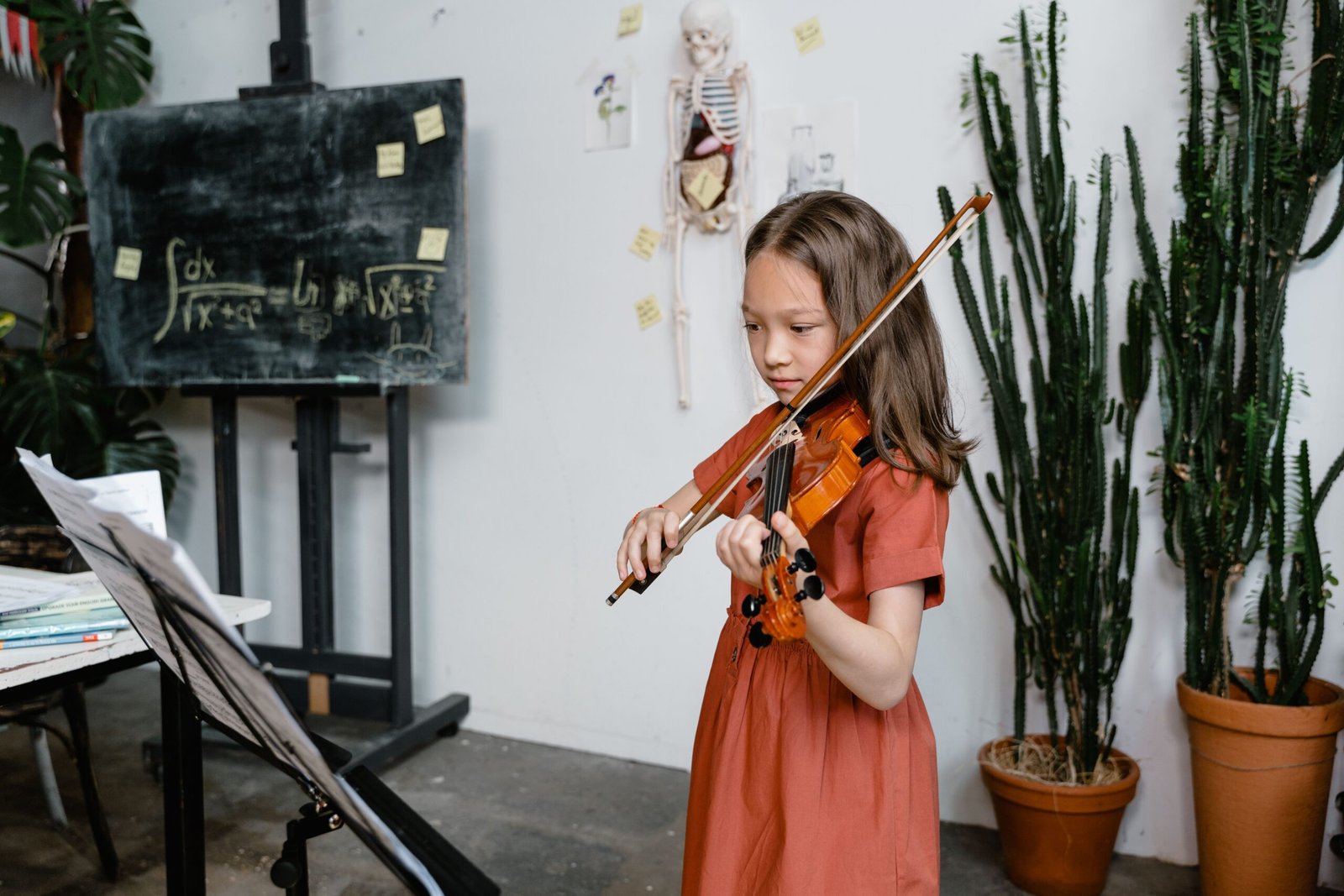
Learning to play the violin can be an exciting and rewarding journey. Whether you want to perform classical music, explore modern melodies, join an orchestra, or enjoy playing your favourite songs, violin lessons can help you develop the skills and confidence needed to become a better musician. Although the violin may seem difficult at first, beginners can make steady progress with proper instruction and consistent practice.
The violin is a beautiful string instrument that requires coordination between both hands, good posture, listening skills, and musical understanding. Unlike some instruments, producing a clear sound on the violin requires careful control of the bow and accurate finger placement. This is why structured lessons are especially valuable for beginners who want to build a strong musical foundation.
In this complete guide, you will learn about different types of violin lessons, essential beginner techniques, choosing the right instrument, practising effectively, and avoiding common mistakes. Whether you prefer learning with a private teacher or studying through online resources, these practical tips will help you understand how to begin your violin-learning journey.
1. What Are Violin Lessons and Why Are They Important?
For beginners, having proper guidance is important because small technical mistakes can become difficult habits if they are repeated over time. A qualified teacher can observe your playing, identify areas that need improvement, and explain how to correct them. This makes learning more organized and helps students develop confidence.
Violin lessons also encourage musical creativity and discipline. As students progress, they can explore different musical styles, improve their listening abilities, and develop the confidence to perform for other people. Regular instruction provides a clear direction instead of leaving beginners unsure about what to practise next.
2. Different Types of Violin Lessons for Beginners
Not every student learns in the same way. Some people prefer direct guidance from a teacher, while others enjoy studying independently through videos and digital learning materials. Choosing the right type of violin instruction depends on your learning preferences, schedule, budget, and personal goals.
Private Violin Lessons: One-to-one instruction allows teachers to focus on your individual technique, progress, and learning difficulties.
Online Violin Lessons: Video lessons and virtual sessions provide flexibility for people who prefer learning at home.
Group Violin Lessons: Students learn together, practise musical activities, and develop ensemble skills.
Beginner Violin Classes: These courses introduce basic techniques, music reading, and simple melodies.
Self-Paced Lessons: Recorded tutorials and learning materials allow students to practise according to their own schedules.
For someone completely new to the violin, private instruction can be particularly helpful during the early stages because posture, instrument positioning, and bow control require careful feedback. However, a combination of teacher guidance and independent practice can also be an effective learning approach.
3. How to Choose the Right Violin for Beginners
Choosing a suitable violin is one of the first steps when starting your musical journey. The instrument should match your body size, comfort level, and learning needs. A violin that is too large or poorly adjusted can make practising uncomfortable and may affect your ability to develop proper technique.
Consider these important factors before purchasing a violin:
Correct Size: Violins are available in different sizes, including 1/4, 1/2, 3/4, and 4/4. Children generally need smaller instruments, while most adults use a full-size violin.
Sound Quality: Choose an instrument that produces a reasonably clear and consistent sound.
Comfort: Make sure you can hold the violin comfortably without excessive stretching.
Build Quality: Check the bridge, strings, tuning pegs, and overall construction.
Accessories: A beginner outfit should ideally include a bow, case, rosin, and other useful accessories.
If possible, ask a violin teacher or experienced musician to help you select the correct instrument. Renting a violin initially can also be a practical option, especially for children who may need a different size as they grow.
4. Learn Basic Violin Posture and Positioning
Proper posture is essential for developing good violin technique. Beginners should learn how to hold the instrument comfortably before attempting complicated songs or fast musical passages. Correct positioning helps you maintain balance, control the bow, and move your fingers more naturally.
Start by standing or sitting with your back naturally straight and your shoulders relaxed. Rest the violin between your left shoulder and jaw, using a suitable chin rest and shoulder rest if needed. Keep your head balanced instead of pressing down forcefully, and allow your left hand to support the instrument without gripping the neck tightly.
Your right hand controls the bow, while your left hand manages the strings and finger placement. Both hands need to work together, but unnecessary tension can make playing difficult. Practise holding the violin for short periods and check your posture in a mirror to identify uncomfortable positions.
5. Understand Violin Strings and Basic Finger Placement
A standard four-string violin has four strings: G, D, A, and E, arranged from the lowest to the highest pitch. Learning their names and sounds is an important part of beginner violin training. Familiarity with the strings makes it easier to follow exercises, understand music notation, and practise simple melodies.
The left hand controls the notes by pressing the strings against the fingerboard. Beginners usually start with simple exercises on individual strings before combining different notes. Teachers may use finger tapes or visual markers temporarily to help students understand where their fingers should be placed.
Accuracy matters because the violin does not have frets like a guitar. Even a small difference in finger position can change the pitch of a note. Practising slowly, listening carefully, and comparing your notes with a reliable reference can help you develop better intonation over time.
6. Master Basic Bowing Techniques
Bowing is one of the most important skills taught during violin lessons for beginners. The bow moves across the strings to create sound, and the quality of that sound depends on several factors, including bow pressure, speed, and contact position. Learning to control these elements takes patience and regular practice.
Begin by learning how to hold the bow with a relaxed hand. Your fingers should remain flexible rather than tightly gripping the bow. Practise moving it slowly across an open string while maintaining a steady path between the fingerboard and bridge.
Here are some basic bowing exercises:
Open-String Practice: Move the bow across one string without pressing any left-hand fingers.
Down-Bow: Practise moving the bow from the frog towards the tip.
Up-Bow: Move the bow in the opposite direction with controlled movement.
Long Bow Strokes: Create steady sounds using slower, longer movements.
Short Bow Strokes: Practise shorter movements while keeping the sound consistent.
Start with slow exercises and focus on producing a smooth tone instead of playing quickly. If your sound becomes scratchy or uneven, check your bow pressure and positioning rather than automatically pressing harder.
7. Learn to Read Violin Music and Understand Rhythm
Reading music is an important skill that allows violin students to understand written melodies and communicate with other musicians. Beginners generally learn to recognize musical notes, understand the five-line staff, identify note durations, and follow the rhythm of a composition.
Violin music is normally written in the treble clef, which helps identify the pitch of notes on the musical staff. Students gradually learn note names, including A, B, C, D, E, F, and G, as well as how notes move higher or lower on the staff.
Rhythm is equally important because it determines how long each note should be played. Practise counting simple beats while listening to music or using a metronome at a comfortable speed. Combining basic music-reading exercises with practical violin playing can make learning new songs easier.
8. Create an Effective Daily Violin Practice Routine
Regular practice helps students build coordination, improve sound quality, and develop confidence. However, practising without a clear plan can lead to frustration or repeated mistakes. A structured routine allows beginners to focus on different skills while making steady progress.
Here is an example of a beginner-friendly 30-minute violin practice schedule:
| Practice Activity | Time |
|---|---|
| Posture and instrument setup | 3 minutes |
| Open-string bow exercises | 7 minutes |
| Finger placement exercises | 5 minutes |
| Scales and note practice | 5 minutes |
| Simple song practice | 7 minutes |
| Review and self-assessment | 3 minutes |
| Total | 30 minutes |
Choose a comfortable practice area where you can concentrate without distractions. Keep your violin, bow, rosin, music stand, and sheet music organized so you can begin practising without wasting time.
It is better to practise carefully for a short period than to repeat an exercise incorrectly for a long time. Record yourself occasionally and listen for improvements in tone, rhythm, and intonation. If you experience pain or persistent discomfort, stop and ask your teacher to check your technique.
9. Common Mistakes to Avoid During Violin Lessons
Learning the violin involves developing several physical and musical skills at the same time. Beginners naturally make mistakes, but recognizing them early can prevent unnecessary frustration. A good teacher can help identify technical problems and suggest exercises that address them.
Some common mistakes include:
Holding the Violin Too Tightly: Excessive tension makes it difficult to move naturally.
Using Too Much Bow Pressure: Pressing too hard can produce an unpleasant or scratchy sound.
Ignoring Posture: Poor positioning can make long practice sessions uncomfortable.
Rushing Through Exercises: Playing quickly before mastering the basics can reinforce incorrect habits.
Skipping Tuning: An out-of-tune instrument makes accurate pitch practice difficult.
Neglecting Rhythm: Concentrating only on notes can affect musical timing.
Practising Without Breaks: Continuous playing can cause fatigue and unnecessary tension.
Focus on one improvement at a time instead of trying to correct everything during a single practice session. Small, consistent adjustments can make a significant difference to your playing technique.
10. How Long Does It Take to Learn the Violin?
The time required to learn the violin depends on your age, previous musical experience, practice routine, instruction quality, and personal goals. Some beginners become comfortable holding the instrument and playing simple open-string exercises within their first few lessons. Developing reliable intonation, smooth bowing, and musical expression usually requires much more practice.
With regular instruction and consistent practice, many beginners can gradually learn simple melodies within a few months. More advanced skills, such as shifting positions, vibrato, and complex classical pieces, may take years to develop.
Instead of comparing your progress with other students, set realistic goals for each stage of learning. For example, focus on producing a clear open-string sound first, then learn simple finger patterns, basic scales, and short melodies. Celebrating these small achievements can keep you motivated throughout your musical journey.
11. Benefits of Taking Professional Violin Lessons
Taking professional violin lessons can provide several benefits beyond simply learning to play an instrument. Structured music education encourages patience, concentration, listening skills, and creative expression. It also gives students an opportunity to develop musical confidence through guided exercises and performance experiences.
Some important benefits include:
Better Musical Technique: Teachers help students develop correct posture, bow control, and finger placement.
Improved Concentration: Reading music and coordinating both hands require attention and focus.
Greater Confidence: Learning new songs and performing for others can improve self-confidence.
Musical Creativity: Students can explore classical, folk, contemporary, and other musical styles.
Consistent Progress: A structured learning plan helps students understand what to practise next.
Performance Opportunities: Music schools and teachers may offer recitals, group performances, and student concerts.
Violin lessons can be valuable for children, teenagers, and adults. It is never too late to begin learning, and students can enjoy the experience even if they do not plan to become professional musicians.
Frequently Asked Questions About Violin Lessons
1. Are violin lessons suitable for complete beginners?
Yes, violin lessons are suitable for people with no previous musical experience. Beginners start with basic instrument handling, posture, bow control, tuning, and simple exercises before progressing to more difficult techniques.
2. How much do violin lessons cost?
The cost depends on the teacher’s experience, lesson duration, location, and teaching format. Private lessons may cost more than group classes, while online courses can offer different pricing options.
3. Can adults learn to play the violin?
Absolutely! Adults can learn the violin at any age with appropriate instruction and regular practice. Starting with simple exercises and realistic goals can make the learning experience more enjoyable.
4. How many violin lessons should a beginner take each week?
One lesson per week is a common starting point for beginners. Students can practise independently between lessons and adjust their schedule according to their progress and availability.
5. Can I learn violin through online lessons?
Yes, online violin lessons can help students learn basic techniques, music reading, and simple songs. Live video instruction is especially useful because teachers can provide feedback on posture and playing technique.
6. What is the best violin size for beginners?
The correct size depends mainly on the student’s arm length and physical proportions. Children often need fractional-size violins, while most adults use a full-size 4/4 violin.
7. How long should beginners practise violin every day?
Beginners can start with 15 to 30 minutes of focused daily practice, depending on their comfort and learning schedule. Short, consistent sessions are often more productive than occasional long sessions.
8. Is learning the violin difficult?
The violin can be challenging because it requires accurate finger placement, bow control, and coordination between both hands. However, structured lessons and regular practice make the learning process more manageable.
9. Do I need to learn music theory before taking violin lessons?
No, you do not need to understand music theory before starting. Most beginner courses introduce basic musical concepts alongside practical instrument training.
10. What should I bring to my first violin lesson?
Bring a properly sized violin, bow, rosin, and a shoulder rest if required. A notebook and music folder can also help you record instructions and organize practice materials.
Conclusion
Learning the violin is a rewarding musical experience that combines creativity, discipline, and technical development. With the right violin lessons, beginners can understand essential skills such as posture, bowing, finger placement, tuning, and reading music. These foundations make it easier to progress towards more challenging songs and musical styles.
Whether you choose private instruction, group classes, or online violin lessons, the most important factors are consistent practice and proper guidance. Start with simple exercises, set realistic goals, and give yourself enough time to develop each skill.
Remember that becoming a confident violinist is a gradual process. Enjoy learning new melodies, celebrate your progress, and keep practising. With patience and dedication, you can develop your musical abilities and experience the enjoyment of playing the violin.
Entertainment
Fappening.blog: What It Is, Why It Attracts Attention, and the Privacy Issues You Should Know

The keyword “fappening.blog” is associated with online discussions surrounding leaked or stolen intimate images of celebrities and the wider internet culture that developed around those incidents. Because the subject involves privacy, consent, cybersecurity, and the unauthorized distribution of intimate material, understanding the topic requires more than simply describing a website or repeating search terms. This guide examines what people generally mean when they search for fappening.blog, why related searches continue to attract attention, how the term became connected with online communities, and what readers should understand about the serious ethical and legal concerns surrounding non-consensual intimate imagery. Rather than promoting or directing readers toward leaked material, the goal is to provide useful background information and explain the topic responsibly.
What Is Fappening.blog?
Fappening.blog is a search phrase commonly associated with websites, discussions, and online content relating to the broader “Fappening” phenomenon. The term “Fappening” became widely known after a major 2014 incident involving the unauthorized acquisition and distribution of private photographs belonging to numerous celebrities. Since then, variations of the keyword have appeared across search engines and online communities, sometimes referring to blogs, forums, archives, or discussions focused on the subject. It is important to distinguish between discussing the phenomenon and endorsing the distribution of stolen material. A website or online community that hosts, indexes, or promotes private images obtained without consent raises significant privacy and ethical concerns, regardless of how the material is described or packaged for an audience.
The Meaning Behind the Fappening Blog Keyword
The Fappening blog keyword is best understood as part of a larger collection of search terms connected with celebrity privacy scandals, leaked photographs, internet forums, and discussions about unauthorized content. People may encounter variations such as “Fappening blog,” “Fappening website,” “Fappening forum,” or similar spellings when searching for information about the phenomenon. Search intent can vary considerably: some users may be looking for historical information, others may be researching online privacy, while some may be seeking access to material that was never intended for public distribution. For publishers creating SEO content around the keyword, understanding this difference is particularly important because useful content should provide context, history, privacy information, and responsible guidance rather than helping users locate stolen intimate images.
The History of the Fappening
The Fappening became internationally recognized in 2014 after private photographs belonging to celebrities were stolen from compromised accounts and circulated online without permission. The incident generated extensive media coverage and prompted public discussion about cloud security, account protection, password reuse, phishing, two-factor authentication, and the responsibilities of websites that republish unlawfully obtained personal material. The controversy also demonstrated how quickly information can spread once it enters online communities and social networks. Even when the original source disappears, copies may continue circulating through other websites and services, making removal extremely difficult. The incident therefore became an important example of how a single cybersecurity breach can develop into a much larger privacy crisis.
Why Fappening.blog Searches Remain Popular
Interest in fappening.blog and related keywords has persisted partly because the original incident became a recognizable piece of internet history. Searchers may be interested in understanding what happened, how the photographs were obtained, how online communities responded, and what the incident taught people about digital privacy. Celebrity involvement also contributed to the enormous amount of public attention surrounding the event. However, continuing search interest does not change the fundamental fact that intimate photographs obtained without consent remain private material. Modern readers increasingly approach these incidents through the lens of digital rights and online safety, which makes privacy-focused explanations more valuable than pages that simply reproduce or promote unauthorized content.
Privacy and Consent in the Fappening Discussion
Privacy and consent are central to any responsible discussion of the Fappening. A photograph being copied or stolen does not mean that the person pictured consented to its publication. Likewise, having an image stored on a personal device or private cloud account does not constitute permission for strangers to redistribute it. The distinction between private ownership and public availability is especially important in the digital age because personal information can be duplicated almost instantly. Discussions about Fappening.blog should therefore recognize the difference between legitimate reporting about a historical event and participation in the continued spread of private material.
Cybersecurity Lessons From the Fappening
One of the most important lessons associated with the incident is the need for strong digital security. Users should create unique passwords for important accounts, enable multifactor authentication whenever it is available, keep devices and applications updated, and remain cautious about suspicious messages or login requests. Cloud services can provide significant convenience, but account security remains partly dependent on the user’s authentication practices and awareness of phishing or other attacks. The broader lesson is that protecting private information requires multiple layers of security rather than relying on a single password. These lessons remain relevant for ordinary internet users, businesses, journalists, and public figures alike.
The Role of Search Engines and Online Platforms
Search engines and online platforms occupy an important position in discussions about unauthorized intimate imagery because their indexing and recommendation systems can influence how easily harmful material is discovered. Platforms have policies and procedures intended to address privacy violations, copyright complaints, and non-consensual intimate imagery, although enforcement can vary and material may move rapidly between different services. For readers researching Fappening.blog, it is useful to understand that search visibility does not establish that material is legitimate, legal, or consensually published. A search result can simply reflect the existence of a webpage somewhere online; it does not establish that the underlying content should be accessed, copied, or redistributed.
Fappening.blog and Digital Ethics
The ethical dimension of the topic is often overlooked when discussions focus exclusively on celebrity status. The same privacy principles apply whether the person involved is famous or completely unknown. Sharing intimate images without permission can cause significant emotional, professional, and personal harm, and the fact that an image has already circulated does not remove the individual’s right to privacy. Responsible digital behavior means refusing to download, redistribute, archive, or promote intimate material that was obtained or published without consent. For content creators, this also means avoiding sensational headlines and unnecessary descriptions that could encourage additional traffic to harmful material.
How to Approach Fappening.blog Searches Responsibly
If your interest in Fappening.blog is historical, technological, or journalistic, focus on reputable reporting and educational sources rather than websites that distribute private photographs. Historical articles can explain the cybersecurity incident, legal developments, and broader cultural impact without reproducing the material itself. Researchers should also be careful when citing online sources because webpages may contain links, thumbnails, or embedded material that was published without the subject’s consent. A privacy-conscious approach is to discuss the event at a high level, use legitimate news reporting for historical context, and avoid turning research into a mechanism for further distribution.
What Website Owners Can Learn From the Fappening
Website owners can learn several important lessons from the controversy. Clear content policies, responsive reporting mechanisms, privacy safeguards, and procedures for handling complaints can reduce the harm caused by unauthorized material. Website administrators should also understand that traffic and search rankings do not justify publishing content that violates another person’s privacy. From an SEO perspective, sustainable websites are better served by producing original, useful, trustworthy information than by relying on sensational or exploitative material. A well-researched article about the history, cybersecurity implications, and privacy lessons of the Fappening can provide genuine informational value without reproducing harmful content.
SEO Keywords Related to Fappening.blog
For publishers researching the topic, relevant keywords can be organized according to search intent rather than simply repeating the same phrase throughout an article. Primary terms may include fappening.blog, Fappening blog, and Fappening. Supporting keywords can include Fappening history, Fappening privacy, celebrity photo leak, online privacy, non-consensual intimate imagery, digital security, cloud account security, celebrity privacy, and internet privacy lessons. Using these related phrases naturally helps search engines understand the subject of an article while also allowing the content to answer several related questions. Keyword placement should remain natural, particularly in the title, introduction, headings, and relevant sections, rather than relying on repetitive keyword stuffing.
Recommended SEO Titles for Fappening.blog
A strong SEO title should accurately describe the page while matching the likely search intent behind the keyword. Some useful title ideas include “Fappening.blog: History, Privacy Issues, and What You Should Know,” “Fappening Blog Explained: History, Online Privacy, and Digital Security,” “Fappening.blog Guide: Understanding the Fappening and Its Privacy Impact,” “What Is Fappening.blog? History, Privacy, and Internet Safety,” and “Fappening Blog and the 2014 Celebrity Photo Leak: A Privacy Guide.” These titles incorporate the primary keyword while adding informative secondary phrases such as history, privacy, digital security, and internet safety. For long-term SEO value, an informative title is generally preferable to a sensational title because it establishes a clear purpose for the reader and accurately represents the content of the page.
Conclusion
Fappening.blog is a keyword connected with a much broader internet phenomenon involving the unauthorized distribution of private celebrity photographs and the discussions that followed. While the topic continues to generate search interest, its significance extends beyond celebrity news or internet culture. The incident highlighted serious questions about cybersecurity, consent, privacy, online responsibility, and the speed at which digital material can spread. Anyone researching the subject should approach it through reliable historical and educational information rather than contributing to the distribution of private material. For SEO publishers, the strongest approach is to create original, useful content centered on history, privacy, cybersecurity, and responsible internet use. Such an approach can satisfy informational search intent while treating the people affected by the incident with appropriate respect.
Frequently Asked Questions About Fappening.blog
What does Fappening.blog mean?
Fappening.blog is a search term associated with the broader Fappening phenomenon, online discussions, and websites connected with the unauthorized circulation of celebrity photographs. The term can refer to different types of webpages depending on the context in which it is used.
What was the Fappening?
The Fappening generally refers to the 2014 incident in which private photographs belonging to numerous celebrities were obtained without authorization and subsequently distributed online. The incident became a major international privacy and cybersecurity story.
Why is the Fappening important to internet privacy?
The incident demonstrated how compromised accounts and unauthorized access can lead to the widespread distribution of personal information. It also prompted broader discussions about passwords, authentication, cloud security, consent, and the responsibilities of websites and internet users.
Is it appropriate to share leaked private photographs?
Private intimate photographs that were obtained or distributed without consent should not be copied, shared, archived, or redistributed. The fact that material is already circulating online does not mean that further distribution is appropriate.
What cybersecurity lessons came from the Fappening?
Important lessons include using unique passwords, enabling multifactor authentication, recognizing phishing attempts, keeping software updated, and regularly reviewing account security settings. These practices can reduce the risk of unauthorized account access.
Why does the Fappening remain a popular search topic?
The incident became a major event in internet history involving celebrities, cybersecurity, privacy, and online culture. Continued interest can therefore come from people researching its historical and technological significance as well as from people searching for related online discussions.
How can I write SEO content about Fappening.blog responsibly?
A strong article can focus on the history of the incident, cybersecurity lessons, privacy rights, consent, digital ethics, and the changing role of online platforms. Use keywords such as Fappening.blog, Fappening blog, Fappening history, online privacy, and digital security naturally while avoiding the publication or promotion of unauthorized intimate material.


How to Sing: A Complete Beginner’s Guide to Improving Your Singing Voice

Dali Museum St. Pete Florida: Complete Visitor Guide, Tickets, Exhibits, and Things to See

Violin Lessons: A Complete Beginner’s Guide to Learning the Violin

Мистер Икс 2015: Полный обзор сюжета, актеров и интересных фактов

Profile Cute Images: 100+ Best HD Cute Profile Pictures for WhatsApp, Instagram, Facebook & TikTok

Whispering Gallery in Grand Central Terminal: The Hidden Acoustic Wonder Every Visitor Should Experience
 Entertainment4 months ago
Мистер Икс 2015: Полный обзор сюжета, актеров и интересных фактов
- Entertainment4 months ago
Profile Cute Images: 100+ Best HD Cute Profile Pictures for WhatsApp, Instagram, Facebook & TikTok
- nature4 months ago
Whispering Gallery in Grand Central Terminal: The Hidden Acoustic Wonder Every Visitor Should Experience
- Tech4 months ago
Billy SpotFund Login: Complete Guide to Secure Access, Account Recovery, and Troubleshooting
- NEWS4 months ago
Billy Wayne Smith: Biography, Early Life, Marriage, Family, Career, and Life Story
- information4 months ago
Kirsten Barlow Biography: Who Is Joe Lando’s Wife, Family, Marriage, and Private Life?
- Business4 months ago
RobTheCoins Business: Complete Guide to Crypto Trading and Investment
- Business4 months ago
Aldo Jankulla Massachusetts LinkedIn: Professional Profile, Career, and Experience