Business
Gluten Free Restaurants: The Ultimate Guide to Safe, Healthy, and Delicious Dining

Published
4 months agoon

Table of Contents
Toggle
Finding reliable gluten free restaurants has become easier than ever, but choosing a truly safe place to eat still requires careful attention. Whether you have celiac disease, gluten intolerance, or simply prefer a gluten free lifestyle, dining out should never feel stressful. Today, many restaurants proudly offer gluten free menus, dedicated preparation areas, and knowledgeable staff who understand the importance of preventing cross-contamination. However, not every establishment follows the same standards, making it essential to know what to look for before placing your order. This comprehensive guide explains everything about gluten free restaurants, including how to identify safe dining locations, the types of cuisine that naturally offer gluten free meals, questions to ask restaurant staff, common mistakes to avoid, and practical tips for enjoying delicious food without compromising your health. By the end of this guide, you’ll feel confident selecting restaurants that prioritize both flavor and food safety.
Gluten Free Restaurants: Everything You Need to Know
The popularity of gluten free restaurants has grown significantly over the past decade as more people have been diagnosed with celiac disease or non-celiac gluten sensitivity. In addition, many health-conscious individuals choose gluten free foods as part of their lifestyle. Restaurants have responded by expanding their menus to include gluten free pizzas, pasta, burgers served on gluten free buns, desserts, breakfast items, and international dishes that naturally avoid wheat-based ingredients. While this increased availability offers more choices, it also highlights the importance of understanding how restaurants prepare gluten free meals. A menu label alone does not always guarantee safety because shared cooking surfaces, fryers, cutting boards, and utensils can introduce gluten into otherwise safe foods. The best gluten free restaurants train employees thoroughly, maintain strict preparation procedures, and communicate clearly with customers about ingredients and cooking methods.
Why Gluten Free Restaurants Matter
For people living with celiac disease, even a tiny amount of gluten can damage the small intestine and trigger symptoms that may last for days or weeks. Individuals with gluten sensitivity may also experience digestive discomfort, headaches, fatigue, or inflammation after consuming gluten. Because of these health risks, restaurants that prioritize gluten free preparation provide more than convenience—they provide peace of mind. Dedicated gluten free kitchens, separate cooking equipment, and knowledgeable staff help reduce the risk of accidental exposure while allowing customers to enjoy meals confidently. As awareness continues to increase, many restaurants recognize that offering high-quality gluten free options also expands their customer base and demonstrates a commitment to inclusive dining experiences.
How to Identify the Best Gluten Free Restaurants
Choosing the right restaurant involves more than reading a menu online. Start by checking whether the restaurant provides a dedicated gluten free menu or clearly labels gluten free items. Look for statements explaining how food is prepared and whether cross-contamination prevention measures are in place. Reading recent customer reviews can provide valuable insight into how well the restaurant accommodates gluten free diners. It is also helpful to call ahead and ask specific questions about ingredient sourcing, cooking procedures, and employee training. Restaurants that answer confidently and transparently often take food safety more seriously than those offering vague responses.
Popular Types of Gluten Free Restaurants
Many cuisines naturally include gluten free ingredients, making them excellent choices for gluten free dining. Mexican restaurants often serve corn tortillas, grilled meats, rice, beans, and fresh vegetables. Thai restaurants frequently prepare rice noodle dishes and curries that can be made gluten free with appropriate sauces. Indian cuisine offers many naturally gluten free dishes based on rice, lentils, vegetables, and spices. Mediterranean restaurants commonly feature grilled seafood, salads, hummus, olive oil, and roasted vegetables. Modern American restaurants have also embraced gluten free menus by offering gluten free burgers, pizzas, sandwiches, and desserts using specialty ingredients.
Understanding Cross-Contamination
Cross-contamination remains one of the biggest challenges when eating outside the home. Even foods made with gluten free ingredients can become unsafe if prepared on shared surfaces or cooked in oil previously used for breaded foods. The most trustworthy gluten free restaurants maintain separate preparation areas, use dedicated utensils, change gloves before handling gluten free meals, and store ingredients separately. These precautions greatly reduce the risk of accidental gluten exposure and demonstrate the restaurant’s commitment to customer safety.
Questions You Should Ask Before Ordering
Before ordering, ask whether the restaurant has a dedicated gluten free menu and whether staff members receive training about gluten allergies and celiac disease. Inquire about shared fryers, grills, cutting boards, and food preparation areas. Confirm whether sauces, marinades, soups, and dressings contain hidden gluten ingredients. If ordering pizza or baked goods, ask whether they are prepared separately from traditional wheat products. Clear communication helps restaurant staff understand the importance of your dietary needs and reduces the likelihood of mistakes.
Benefits of Choosing Gluten Free Restaurants
Dining at restaurants that specialize in gluten free meals offers numerous advantages beyond food safety. Customers often enjoy greater menu variety, better ingredient transparency, improved nutritional choices, and increased confidence when eating with family and friends. These restaurants frequently use fresh vegetables, lean proteins, healthy grains such as quinoa and rice, and naturally gluten free ingredients to create flavorful meals without sacrificing quality. As gluten free dining continues to evolve, many establishments now provide creative menus that rival traditional restaurant offerings in both taste and presentation.
Common Mistakes to Avoid
One of the most common mistakes is assuming that naturally gluten free ingredients automatically result in a gluten free meal. Fried foods may share cooking oil with breaded products, sauces may contain wheat-based thickeners, and seasonings may include hidden gluten. Another mistake is relying solely on menu labels without discussing preparation methods with restaurant staff. Customers should also avoid assuming every employee understands celiac disease; politely explaining the importance of strict gluten avoidance often leads to safer meal preparation.
Tips for Enjoying Gluten Free Dining
Planning ahead significantly improves your dining experience. Research restaurants before visiting, read recent reviews, and call ahead if you have concerns. Inform your server about your dietary needs immediately after being seated, and ask questions about ingredients and preparation methods. Ordering simple dishes with fewer ingredients often reduces the chance of hidden gluten. Keeping a list of trusted gluten free restaurants also makes future dining experiences easier and more enjoyable.
Conclusion
Gluten free restaurants have transformed the dining experience for people who need or prefer gluten free meals by making safe, delicious food more accessible than ever before. Although many restaurants now offer gluten free menus, understanding cross-contamination, asking informed questions, and researching restaurants beforehand remain essential for protecting your health. Whether you’re managing celiac disease, gluten sensitivity, or simply embracing a gluten free lifestyle, choosing restaurants that prioritize ingredient transparency, staff training, and dedicated preparation methods can make every meal both enjoyable and worry-free. With proper planning and knowledge, you can confidently explore a wide variety of cuisines while maintaining your dietary needs and enjoying exceptional food.
Frequently Asked Questions (FAQ)
1. What are gluten free restaurants?
Gluten free restaurants are establishments that offer meals made without wheat, barley, rye, and other gluten-containing ingredients. Some specialize entirely in gluten free food, while others provide dedicated gluten free menus.
2. Are gluten free restaurants safe for people with celiac disease?
Many are, but safety depends on their cross-contamination prevention practices. Always ask about food preparation procedures before ordering.
3. How can I find gluten free restaurants near me?
Search online using terms like gluten free restaurants near me, check restaurant websites, read customer reviews, and use gluten free dining apps.
4. What foods are commonly available at gluten free restaurants?
Common options include grilled meats, seafood, salads, rice dishes, gluten free pizza, pasta, burgers with gluten free buns, tacos with corn tortillas, soups, and desserts.
5. Can gluten free restaurants prevent cross-contamination?
The best gluten free restaurants reduce risk by using dedicated cooking equipment, separate preparation areas, clean utensils, fresh gloves, and trained staff.
6. Are gluten free meals healthier?
Not necessarily. Gluten free meals can be healthy when they emphasize whole foods such as vegetables, fruits, lean proteins, legumes, and whole grains like quinoa or rice.
7. What questions should I ask at a gluten free restaurant?
Ask whether the restaurant has a dedicated gluten free menu, uses separate cooking equipment, avoids shared fryers, and trains staff on gluten safety.
8. Do fast-food restaurants offer gluten free options?
Some do, but cross-contamination is often a concern because many fast-food kitchens use shared preparation areas. Always verify preparation practices before ordering.
9. Why is cross-contamination important?
Even trace amounts of gluten can trigger symptoms or intestinal damage in people with celiac disease, making careful food preparation essential.
10. What is the best way to enjoy gluten free dining?
Research restaurants in advance, communicate your dietary needs clearly, ask detailed questions, and choose establishments with strong gluten free safety practices.
You may like
Business
RobTheCoins Business: Complete Guide to Crypto Trading and Investment
Published
3 months agoon
July 17, 2026
Table of Contents
ToggleThe cryptocurrency industry continues to evolve rapidly, creating new opportunities for investors, entrepreneurs, and technology enthusiasts around the world. As blockchain technology becomes increasingly mainstream, many individuals search for reliable sources of information that can help them understand digital assets, market trends, investment strategies, and security practices. One name that has gained attention among crypto enthusiasts is RobTheCoins Business. Whether you are a beginner exploring cryptocurrency for the first time or an experienced investor looking to improve your decision-making process, understanding what RobTheCoins Business offers can help you navigate this constantly changing financial landscape. This guide explores its purpose, potential benefits, educational value, security considerations, and how it may assist individuals interested in cryptocurrency and blockchain technology.
What Is RobTheCoins Business?
RobTheCoins Business refers to a cryptocurrency-focused platform, brand, or resource that aims to provide valuable insights into digital assets, blockchain innovation, crypto trading, decentralized finance (DeFi), and investment education. As the cryptocurrency ecosystem grows more sophisticated, users often need trustworthy educational resources that explain market behavior, investment principles, and risk management rather than relying solely on speculation.
The platform’s focus is generally associated with helping users stay informed about cryptocurrency developments, understand emerging technologies, and evaluate market opportunities. Instead of making uninformed decisions, investors can benefit from educational content that explains both the advantages and the risks involved in digital asset investing. The cryptocurrency market remains highly volatile, making knowledge one of the most valuable tools for long-term success.
Why Cryptocurrency Education Matters
One of the biggest challenges facing new investors is the overwhelming amount of information available online. Thousands of websites publish cryptocurrency news, market predictions, investment advice, and trading strategies every day. Without reliable educational resources, beginners may struggle to distinguish between factual information and speculation.
RobTheCoins Business emphasizes the importance of understanding blockchain technology before making investment decisions. Learning how cryptocurrencies function, how wallets store digital assets, what influences market prices, and how security practices protect investments enables individuals to approach crypto investing with greater confidence. Education also helps reduce emotional decision-making during periods of market volatility.
Features That May Be Associated with RobTheCoins Business
Depending on its offerings, RobTheCoins Business may provide resources such as cryptocurrency market analysis, blockchain news, educational articles, investment tutorials, trend analysis, and practical guides for beginners. These resources can help readers stay updated with changes in the digital asset industry while improving their understanding of blockchain ecosystems.
Educational content often covers Bitcoin, Ethereum, altcoins, decentralized finance, NFTs, blockchain applications, smart contracts, crypto wallets, exchange security, portfolio diversification, and market fundamentals. Comprehensive guides make complex financial concepts easier to understand for readers with varying levels of experience.
Benefits of Using Cryptocurrency Educational Resources
One of the greatest advantages of educational platforms is the ability to make informed decisions instead of relying on rumors or social media speculation. Investors who understand risk management are generally better prepared for market fluctuations.
Learning through trusted educational resources can help users develop realistic expectations regarding cryptocurrency investing. Rather than expecting overnight profits, educated investors often focus on long-term portfolio growth, diversification, and continuous learning. Educational platforms also encourage users to research projects carefully before investing.
Understanding Cryptocurrency Risks
Every investment carries risk, and cryptocurrency is no exception. Digital assets can experience significant price swings within short periods, making risk management an essential part of investing.
RobTheCoins Business highlights the importance of conducting independent research before purchasing cryptocurrencies. Investors should understand project fundamentals, development teams, real-world utility, token economics, and market conditions before making financial decisions. Responsible investing involves only committing funds that one can afford to lose while maintaining a diversified investment strategy.
Blockchain Technology Beyond Cryptocurrency
Blockchain technology extends beyond digital currencies. Industries such as healthcare, supply chain management, finance, logistics, insurance, gaming, and real estate increasingly explore blockchain solutions for transparency, security, and efficiency.
Educational resources discussing blockchain innovation help readers understand why this technology has attracted significant attention from businesses and governments worldwide. Smart contracts automate agreements, decentralized applications expand financial accessibility, and distributed ledgers improve record-keeping across numerous sectors.
Security Best Practices for Crypto Investors
Security remains one of the most important aspects of cryptocurrency ownership. Investors should prioritize protecting private keys, enabling two-factor authentication, using hardware wallets for long-term storage, and verifying website authenticity before entering login credentials.
Strong passwords, phishing awareness, software updates, and cautious online behavior significantly reduce security risks. Educational platforms that promote cybersecurity awareness contribute to safer cryptocurrency participation.
Tips for Beginners
New investors should begin by understanding blockchain fundamentals before investing. Research projects thoroughly, diversify investments, avoid emotional trading, stay informed through reliable sources, and continuously improve financial knowledge.
Building experience gradually often produces better long-term results than chasing short-term market trends. Patience, discipline, and ongoing education remain essential qualities for successful investors.
Future of RobTheCoins Business
As blockchain adoption expands globally, educational platforms focused on cryptocurrency are likely to become increasingly valuable. Growing institutional adoption, regulatory developments, decentralized finance, tokenization, and Web3 technologies continue shaping the future of digital finance.
Platforms that prioritize accurate information, educational resources, and responsible investing principles can help users adapt to changing market conditions while improving financial literacy in the blockchain ecosystem.
Conclusion
RobTheCoins Business represents the growing demand for accessible cryptocurrency education and blockchain knowledge. Whether readers are completely new to digital assets or already familiar with crypto investing, educational resources can improve decision-making, strengthen risk awareness, and encourage responsible investing practices. While no educational platform can eliminate investment risks or guarantee financial success, building knowledge before investing provides a stronger foundation for navigating the cryptocurrency market. As blockchain technology continues transforming industries worldwide, informed investors will be better positioned to understand opportunities while recognizing potential challenges.
Frequently Asked Questions (FAQ)
What is RobTheCoins Business?
RobTheCoins Business is associated with cryptocurrency and blockchain education, providing information that helps users better understand digital assets, market trends, and investment concepts.
Is RobTheCoins Business suitable for beginners?
Yes. Beginners can benefit from educational content covering cryptocurrency basics, blockchain technology, security practices, and responsible investing.
Does RobTheCoins Business guarantee investment profits?
No. No legitimate educational platform can guarantee profits. Cryptocurrency investments always involve financial risk, and users should conduct independent research before investing.
Why is cryptocurrency education important?
Education helps investors understand market volatility, evaluate projects more effectively, manage risks responsibly, and make informed financial decisions.
What should beginners learn first?
Beginners should understand blockchain fundamentals, cryptocurrency wallets, exchange security, risk management, and portfolio diversification before making investments.
Is blockchain only used for cryptocurrencies?
No. Blockchain technology also has applications in healthcare, logistics, supply chain management, finance, identity verification, gaming, and many other industries.
Business
Aldo Jankulla Massachusetts LinkedIn: Professional Profile, Career, and Experience
Published
4 months agoon
July 1, 2026
Table of Contents
ToggleWhen people search for Aldo Jankulla Massachusetts LinkedIn, they are usually looking for professional information, career experience, educational background, or networking opportunities. LinkedIn has become one of the world’s leading professional networking platforms, allowing individuals to showcase their skills, qualifications, achievements, and employment history while connecting with colleagues, employers, and industry professionals.
Whether you are researching a professional background, verifying career information, or hoping to establish a business connection, understanding how to interpret a LinkedIn profile can help you find relevant and reliable information. This guide explains what users typically expect to find when searching for Aldo Jankulla Massachusetts LinkedIn, discusses the value of LinkedIn for career networking, and provides general insights into professional profiles while avoiding unsupported claims.
Why People Search for Aldo Jankulla Massachusetts LinkedIn
Many internet users search for professionals by combining a person’s name with “LinkedIn” because search engines often display LinkedIn profiles among the top results. Adding a location such as Massachusetts helps narrow search results, especially when multiple individuals share the same name. This approach is commonly used by recruiters, employers, business partners, researchers, students, and professionals who want to verify employment history, education, certifications, or industry experience before making contact.
Searching with both a name and location can improve search accuracy and make it easier to identify the correct professional profile. It also allows users to find career-related information that has been publicly shared by the profile owner.
Understanding a LinkedIn Professional Profile
A LinkedIn profile serves as an online professional resume while offering significantly more information than a traditional CV. Most profiles include a professional headline, employment history, educational background, skills, certifications, recommendations, accomplishments, and contact preferences. Some users also publish articles, share industry insights, participate in professional discussions, and engage with companies or organizations.
For someone searching Aldo Jankulla Massachusetts LinkedIn, the goal is usually to review publicly available career information rather than personal details. LinkedIn emphasizes professional identity, making it a valuable resource for networking and career development.
Professional Experience and Career Development
Career experience is often the primary reason people visit LinkedIn profiles. Employment history allows visitors to understand an individual’s professional journey, areas of expertise, and industry involvement over time. Job titles, responsibilities, achievements, and career progression help recruiters and employers evaluate qualifications while giving colleagues and business partners a better understanding of professional capabilities.
Career development also reflects continuous learning, new responsibilities, leadership opportunities, and industry specialization. A well-maintained LinkedIn profile typically highlights these aspects through updated experience sections, featured projects, certifications, and endorsements.
Education and Skills
Educational qualifications are another important component of LinkedIn profiles. Many professionals include universities, colleges, certifications, continuing education programs, technical training, and professional development courses. Skills sections often highlight expertise relevant to a person’s career, while endorsements from colleagues can provide additional credibility.
Learning does not stop after graduation, and LinkedIn enables professionals to demonstrate ongoing education and skill development throughout their careers. This helps employers identify candidates who continue to adapt to changing industry requirements.
The Importance of Professional Networking
LinkedIn has transformed professional networking by making it easier to connect with colleagues, recruiters, mentors, clients, and business leaders across industries. Networking extends beyond job searching and supports collaboration, partnerships, knowledge sharing, and career growth. Professionals who actively participate on LinkedIn often engage with industry discussions, publish insights, celebrate achievements, and build relationships that may lead to future opportunities.
When searching for Aldo Jankulla Massachusetts LinkedIn, users may simply be looking to establish a professional connection or learn more about publicly available career information.
Benefits of Maintaining a Strong LinkedIn Presence
A complete and accurate LinkedIn profile helps professionals improve visibility, strengthen credibility, and expand networking opportunities. Recruiters frequently use LinkedIn to identify potential candidates, while businesses often review profiles before initiating partnerships or interviews. Regularly updating employment history, skills, certifications, and accomplishments ensures that the profile reflects current professional achievements.
An active LinkedIn presence also allows professionals to contribute to industry conversations, share expertise, and remain informed about trends within their field.
Tips for Evaluating Professional Profiles
When reviewing any LinkedIn profile, it is helpful to focus on publicly available information such as employment history, educational background, certifications, skills, recommendations, and professional accomplishments. Users should avoid making assumptions based on incomplete profiles and should respect privacy settings that limit access to certain information. Whenever possible, verify important details through official sources or direct communication.
Best Practices for LinkedIn Networking
Effective networking involves sending personalized connection requests, engaging respectfully with professional content, participating in relevant discussions, and maintaining an updated profile. Building authentic professional relationships over time is generally more valuable than collecting a large number of connections without meaningful interaction.
Professionals who contribute helpful content, demonstrate expertise, and communicate professionally often develop stronger and more valuable networks.
Conclusion
Searching for Aldo Jankulla Massachusetts LinkedIn typically reflects a desire to find publicly available professional information, career history, educational background, or networking opportunities. LinkedIn remains one of the most valuable platforms for professional identity, career development, and business networking. While it is important to rely on verified public information and respect individual privacy, LinkedIn profiles can provide useful insights into a person’s professional experience, skills, and career progression. Focusing on accurate, publicly available details ensures both informative content and responsible reporting.
Frequently Asked Questions (FAQ)
1. Why do people search for “Aldo Jankulla Massachusetts LinkedIn”?
Most users are looking for publicly available professional information, career history, education, or networking opportunities.
2. What information is usually available on a LinkedIn profile?
A typical LinkedIn profile may include employment history, education, skills, certifications, recommendations, and professional achievements, depending on the user’s privacy settings.
3. Can everyone view a LinkedIn profile?
Not always. The information visible depends on the profile owner’s privacy preferences and whether the viewer is logged into LinkedIn.
4. Why include “Massachusetts” in the search?
Adding a location helps distinguish individuals with similar names and narrows search results.
5. Is LinkedIn a reliable source of professional information?
LinkedIn can be a useful source because users manage their own profiles, but important details should be verified through additional authoritative sources when accuracy is critical.
6. How can someone improve their LinkedIn profile?
Keeping employment history current, adding relevant skills and certifications, using a professional photo, and engaging thoughtfully with industry content can strengthen a LinkedIn profile.
SEO note: For the best chance of ranking, don’t publish this article with speculative or fabricated facts about a real person. If you can verify details from public sources, incorporate them with proper attribution while respecting privacy.
Business
Flower PNG Format: Complete Guide to Transparent Floral Images
Published
4 months agoon
June 29, 2026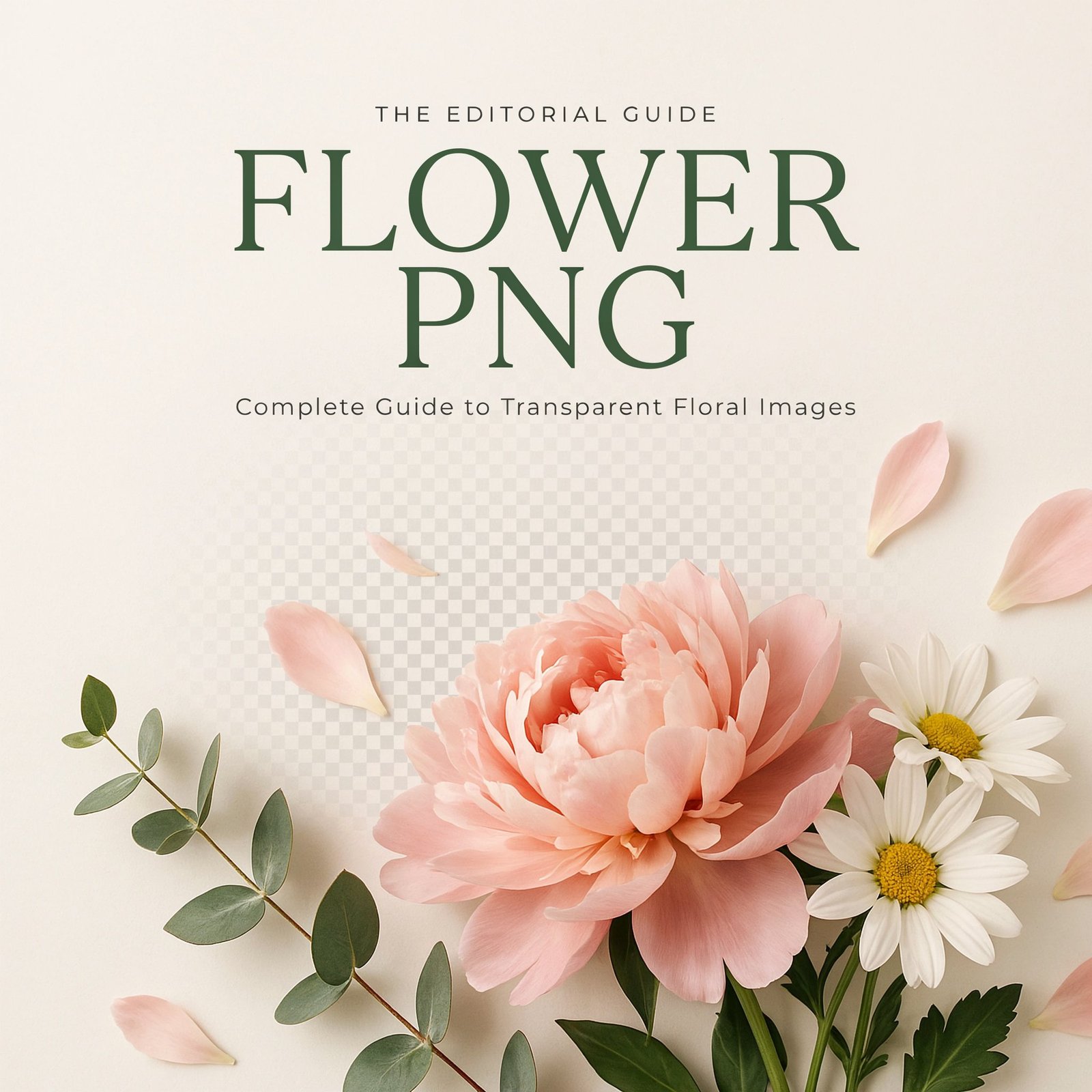
Table of Contents
Toggle
Introduction
Flower PNG format has become one of the most popular image formats for designers, bloggers, marketers, students, and businesses because it provides high-quality images with transparent backgrounds. Unlike traditional image formats that include a solid white or colored background, PNG images preserve transparency, making flowers easy to place on websites, presentations, invitations, product packaging, greeting cards, social media graphics, and digital artwork. Whether you are creating wedding invitations, promotional banners, educational materials, or creative marketing campaigns, flower PNG images offer flexibility and professional-quality results. Understanding how the PNG format works, where it is most useful, and how to choose high-quality floral graphics can help improve both the appearance and functionality of your projects.
What Is Flower PNG Format?
Flower PNG format refers to flower images saved using the Portable Network Graphics (PNG) file format. PNG is widely recognized for its ability to store images with transparent backgrounds while maintaining excellent image quality. This feature allows flowers to blend naturally into different backgrounds without leaving unwanted white edges or visible borders. Because PNG uses lossless compression, image quality remains sharp even after saving and editing multiple times. Designers often prefer flower PNG images because they preserve fine details such as petals, leaves, stems, and shadows, making them ideal for professional creative work.
Why Flower PNG Format Is So Popular
One of the biggest reasons flower PNG format is so popular is its transparency feature. Transparent images can be placed over colored backgrounds, photographs, websites, or printed materials without requiring additional editing. This saves time and creates a cleaner, more polished appearance. Another advantage is the high image quality that PNG provides. Unlike compressed image formats that lose detail, PNG files maintain crisp edges and vibrant colors, making them suitable for high-resolution projects. Because of these benefits, flower PNG images are commonly used in graphic design, digital marketing, online stores, educational resources, and social media content.
Benefits of Using Flower PNG Images
Flower PNG images provide numerous advantages for both beginners and professionals. The transparent background makes image placement simple, while the lossless compression ensures that details remain sharp and colors stay vibrant. These images are also highly compatible with popular design software such as Photoshop, Canva, Illustrator, Figma, and many online editing platforms. Since flowers are frequently used to enhance visual appeal, PNG files help create elegant presentations, attractive advertisements, stylish websites, and eye-catching social media graphics. Their flexibility makes them suitable for almost every creative industry.
Common Uses of Flower PNG Format
Flower PNG images are widely used in digital and print design because they easily adapt to different creative projects. Wedding invitation designers often use floral PNG elements to create elegant borders and decorative arrangements. Bloggers use flower PNG graphics to enhance featured images and article illustrations. Businesses incorporate floral PNGs into product packaging, branding materials, promotional banners, and seasonal campaigns. Teachers and students use transparent flower images for educational presentations, while social media creators rely on them to design visually appealing posts, stories, and advertisements. Their versatility allows them to be used across countless personal and professional applications.
Flower PNG Format vs JPG
Although both PNG and JPG are popular image formats, they serve different purposes. JPG files are designed to reduce file size, making them suitable for photographs and web images where transparency is unnecessary. However, JPG compression may reduce image quality over time and does not support transparent backgrounds. PNG files preserve image quality and support transparency, making them ideal for floral graphics that need to blend seamlessly into various designs. For logos, decorative elements, clipart, and isolated flower images, PNG is generally the preferred option because it provides greater flexibility and cleaner results.
How to Choose High-Quality Flower PNG Images
Selecting high-quality flower PNG images involves considering several important factors. The image should have a true transparent background rather than a white background disguised as transparent. Resolution should be high enough to maintain clarity across different screen sizes and print materials. Clean edges without pixelation or rough cutouts indicate professional editing. Natural colors, realistic details, and balanced lighting further improve image quality. Choosing high-resolution PNG images ensures that your designs remain attractive whether displayed online or printed in large formats.
SEO Benefits of Using Flower PNG Images
Using optimized flower PNG images can improve website performance when combined with proper SEO practices. Descriptive filenames containing relevant keywords help search engines understand image content. Writing informative alt text enhances accessibility and increases the likelihood of appearing in image search results. Compressing PNG files without sacrificing quality helps improve page loading speed, which contributes to better user experience and search engine rankings. When integrated into high-quality content, optimized flower PNG images can increase engagement, improve visual appeal, and support stronger organic search performance.
Best Practices for Using Flower PNG Format
To achieve the best results, always use flower PNG images that are appropriately sized for your project. Avoid enlarging small images because this may reduce quality. Organize image files with descriptive names, maintain consistent design styles, and optimize file sizes before uploading them to websites. Using high-quality floral graphics that complement your brand or content theme creates a more professional appearance and enhances the overall visual experience for visitors. Regularly updating visual content with fresh flower PNG images can also keep your designs modern and engaging.
Conclusion
Flower PNG format remains one of the most valuable image formats for designers, content creators, businesses, educators, and marketers because it combines outstanding image quality with transparent backgrounds and wide software compatibility. Whether you are creating digital artwork, enhancing blog posts, designing invitations, or developing marketing materials, flower PNG images provide the flexibility and professional appearance needed for modern creative projects. By understanding the advantages of PNG files, choosing high-quality images, and following SEO best practices, you can create visually appealing content that performs well across websites, social media, and print media while offering an excellent experience for your audience.
Frequently Asked Questions (FAQs)
1. What is flower PNG format?
Flower PNG format is a flower image saved as a PNG file that supports transparent backgrounds and high-quality graphics.
2. Why is PNG better than JPG for flower images?
PNG supports transparency and lossless compression, making it ideal for graphic design and decorative floral elements.
3. Can I use flower PNG images in Canva?
Yes. Canva fully supports PNG files with transparent backgrounds.
4. Are flower PNG images suitable for commercial use?
Some are, but always check the image license before using them commercially.
5. How do I optimize flower PNG images for SEO?
Use descriptive filenames, keyword-rich alt text, compress image sizes, and place them within relevant, high-quality content.
6. Where can flower PNG images be used?
They are commonly used in websites, blogs, presentations, social media graphics, invitations, advertisements, branding, educational materials, and digital artwork.
7. Does PNG reduce image quality?
No. PNG uses lossless compression, which preserves image quality during saving and editing.
8. Can flower PNG images have transparent backgrounds?
Yes. Transparency is one of the primary advantages of the PNG format, allowing flower images to blend seamlessly into different designs.

New Toyota Trucks 2026: Tacoma, Tundra, Hybrid Options and Everything You Need to Know
How to Change Battery in Ford Key Fob: A Complete Step-by-Step Guide

Do the Roar: Meaning, Origin, Meme, and Why the Phrase Became Popular

Мистер Икс 2015: Полный обзор сюжета, актеров и интересных фактов

Profile Cute Images: 100+ Best HD Cute Profile Pictures for WhatsApp, Instagram, Facebook & TikTok

Whispering Gallery in Grand Central Terminal: The Hidden Acoustic Wonder Every Visitor Should Experience
Trending
 Entertainment3 months ago
Мистер Икс 2015: Полный обзор сюжета, актеров и интересных фактов
- Entertainment4 months ago
Profile Cute Images: 100+ Best HD Cute Profile Pictures for WhatsApp, Instagram, Facebook & TikTok
- nature4 months ago
Whispering Gallery in Grand Central Terminal: The Hidden Acoustic Wonder Every Visitor Should Experience
- Tech4 months ago
Billy SpotFund Login: Complete Guide to Secure Access, Account Recovery, and Troubleshooting
- information3 months ago
Kirsten Barlow Biography: Who Is Joe Lando’s Wife, Family, Marriage, and Private Life?
- NEWS4 months ago
Billy Wayne Smith: Biography, Early Life, Marriage, Family, Career, and Life Story
- Business3 months ago
RobTheCoins Business: Complete Guide to Crypto Trading and Investment
- Business4 months ago
Aldo Jankulla Massachusetts LinkedIn: Professional Profile, Career, and Experience