
Health
Healthy Pregnancy: The Complete Guide to a Safe and Happy Pregnancy

Published
2 months agoon

Table of Contents
Toggle
Pregnancy is one of the most meaningful experiences in a woman’s life. It is a period of physical, emotional, and mental changes that prepare the body for the birth of a child. Every expecting mother wants to enjoy a healthy pregnancy and give her baby the best possible start in life. Maintaining good health during pregnancy involves much more than eating nutritious foods. It includes receiving regular prenatal care, staying physically active as advised by a healthcare provider, getting enough sleep, managing stress, and avoiding harmful substances. Every healthy choice contributes to the well-being of both the mother and the developing baby. While every pregnancy is unique, understanding the basic principles of prenatal health can help women feel more confident and prepared throughout each trimester.
What Is a Healthy Pregnancy?
A healthy pregnancy is one in which both the mother and baby receive the care and support needed for proper growth and development. It involves attending regular prenatal checkups, following medical advice, eating a balanced diet, staying hydrated, and monitoring the baby’s development throughout pregnancy. A healthy pregnancy also means recognizing warning signs early and seeking medical attention whenever necessary. Building healthy habits before and during pregnancy can reduce the risk of complications and improve outcomes for both mother and child.
Importance of Prenatal Care
Prenatal care is one of the most important parts of a healthy pregnancy. Regular appointments allow healthcare providers to monitor the baby’s growth, check the mother’s health, and identify potential complications early. During these visits, blood pressure, weight, urine samples, and fetal development are evaluated. Blood tests and ultrasounds may also be recommended at different stages of pregnancy. Early and consistent prenatal care helps detect conditions such as gestational diabetes, anemia, high blood pressure, and other issues that can affect pregnancy. Following the recommended schedule of prenatal visits gives both mother and baby the best chance for a healthy outcome.
Healthy Pregnancy Diet
Nutrition plays a critical role during pregnancy because the growing baby depends on the mother’s diet for essential nutrients. A balanced pregnancy diet should include fruits, vegetables, whole grains, lean proteins, dairy or fortified alternatives, legumes, nuts, and healthy fats. Nutrients such as folic acid, iron, calcium, iodine, vitamin D, and protein support fetal development and maternal health. Staying hydrated is equally important because water helps transport nutrients, supports amniotic fluid, and promotes healthy circulation. Limiting highly processed foods and sugary drinks can also help maintain overall health during pregnancy.
Safe Physical Activity During Pregnancy
Physical activity can provide many benefits during pregnancy when approved by a healthcare provider. Regular exercise may improve cardiovascular health, reduce back pain, improve sleep, enhance mood, and prepare the body for labor. Walking, swimming, prenatal yoga, and other low-impact exercises are commonly recommended for many healthy pregnancies. However, activities with a high risk of falls or abdominal injury should generally be avoided. Exercise plans should always be tailored to the individual’s health, pregnancy stage, and medical advice.
Weight Gain During Pregnancy
Healthy weight gain varies depending on a person’s pre-pregnancy body size and should be discussed with a healthcare provider. Gaining too little weight may affect fetal growth, while excessive weight gain may increase the risk of complications. Eating balanced meals and staying active, when medically appropriate, can support healthy weight gain throughout pregnancy. Rather than focusing on eating much larger amounts of food, it is generally more helpful to prioritize nutrient-rich choices that meet increased nutritional needs.
Mental and Emotional Well-Being
Pregnancy often brings emotional changes due to hormonal shifts and life adjustments. Many women experience excitement, anxiety, mood changes, or stress during pregnancy. Maintaining emotional well-being is an important part of overall health. Talking openly with supportive family members, friends, or healthcare professionals can help manage emotional challenges. Relaxation techniques, adequate sleep, and healthy routines can also contribute to better mental well-being. Persistent feelings of sadness, hopelessness, or severe anxiety should be discussed with a healthcare provider, as mental health is an essential part of prenatal care.
Common Pregnancy Symptoms
Many pregnancy symptoms are normal and vary from person to person. Morning sickness, fatigue, breast tenderness, frequent urination, food cravings, constipation, and mild swelling are commonly experienced during pregnancy. While these symptoms are often expected, severe pain, heavy bleeding, reduced fetal movement later in pregnancy, severe headaches, or sudden swelling require prompt medical evaluation. Understanding which symptoms are common and which need medical attention helps expecting mothers respond appropriately throughout pregnancy.
Habits to Avoid During Pregnancy
Certain habits can increase the risk of pregnancy complications and should be avoided. Smoking, alcohol use, and illicit drug use are known to harm fetal development and raise the risk of miscarriage, premature birth, and other serious health problems. Pregnant women should also consult their healthcare provider before taking prescription medications, over-the-counter medicines, or herbal supplements. Practicing good food safety, avoiding exposure to certain infections, and following medical guidance are additional steps that support a healthy pregnancy.
Preparing for Labor and Delivery
As pregnancy progresses, preparing for labor becomes increasingly important. Learning about the stages of labor, creating a birth plan if desired, attending childbirth education classes, and packing a hospital bag ahead of time can reduce stress. Discussing pain management options, emergency plans, and postpartum care with healthcare providers allows families to feel more informed and confident. Preparation helps expecting parents approach delivery with realistic expectations while remaining flexible if plans change for medical reasons.
Life After Delivery
The postpartum period is a time of healing and adjustment. New mothers need adequate rest, nutritious meals, emotional support, and follow-up medical care. Whether choosing to breastfeed, formula feed, or use a combination, families benefit from guidance that supports infant nutrition and maternal recovery. Recovery takes time, and asking for help from loved ones or healthcare professionals is a healthy part of the transition to parenthood.
Conclusion
A healthy pregnancy is built on consistent prenatal care, balanced nutrition, safe physical activity when appropriate, emotional well-being, and informed decision-making. Every pregnancy is unique, and personalized advice from a qualified healthcare provider is essential. By adopting healthy habits, attending regular medical appointments, and responding promptly to concerns, expecting mothers can support both their own health and the healthy development of their babies. Pregnancy is a remarkable journey, and thoughtful preparation throughout each stage can contribute to a safer, healthier, and more positive experience for the entire family.
Frequently Asked Questions (FAQ)
1. What is the most important thing for a healthy pregnancy?
Regular prenatal care, a balanced diet, appropriate physical activity, adequate rest, and following healthcare advice are among the most important factors.
2. What foods should I eat during pregnancy?
Focus on fruits, vegetables, whole grains, lean proteins, dairy or fortified alternatives, legumes, nuts, and foods rich in folate, iron, calcium, iodine, vitamin D, and protein.
3. Is exercise safe during pregnancy?
For many healthy pregnancies, moderate exercise is beneficial if approved by a healthcare provider. Activities such as walking, swimming, and prenatal yoga are often recommended.
4. How much water should a pregnant woman drink?
Hydration needs vary, but many pregnant women benefit from drinking around 8–12 cups (about 2–3 liters) of fluids daily, with individual needs depending on activity level, climate, and medical advice.
5. Why are prenatal checkups important?
Prenatal visits help monitor the health of both mother and baby, identify potential complications early, and provide guidance throughout pregnancy.
6. What should be avoided during pregnancy?
Avoid alcohol, smoking, illicit drugs, and medications or supplements that have not been approved by a healthcare provider. Practice good food safety and attend regular prenatal appointments.
7. Can stress affect pregnancy?
High levels of ongoing stress may affect well-being. Healthy coping strategies, social support, and discussing concerns with a healthcare provider can help manage stress during pregnancy.
You may like
Health
Prostate Colibrim: A Complete Guide to Men’s Prostate Health
Published
2 months agoon
July 9, 2026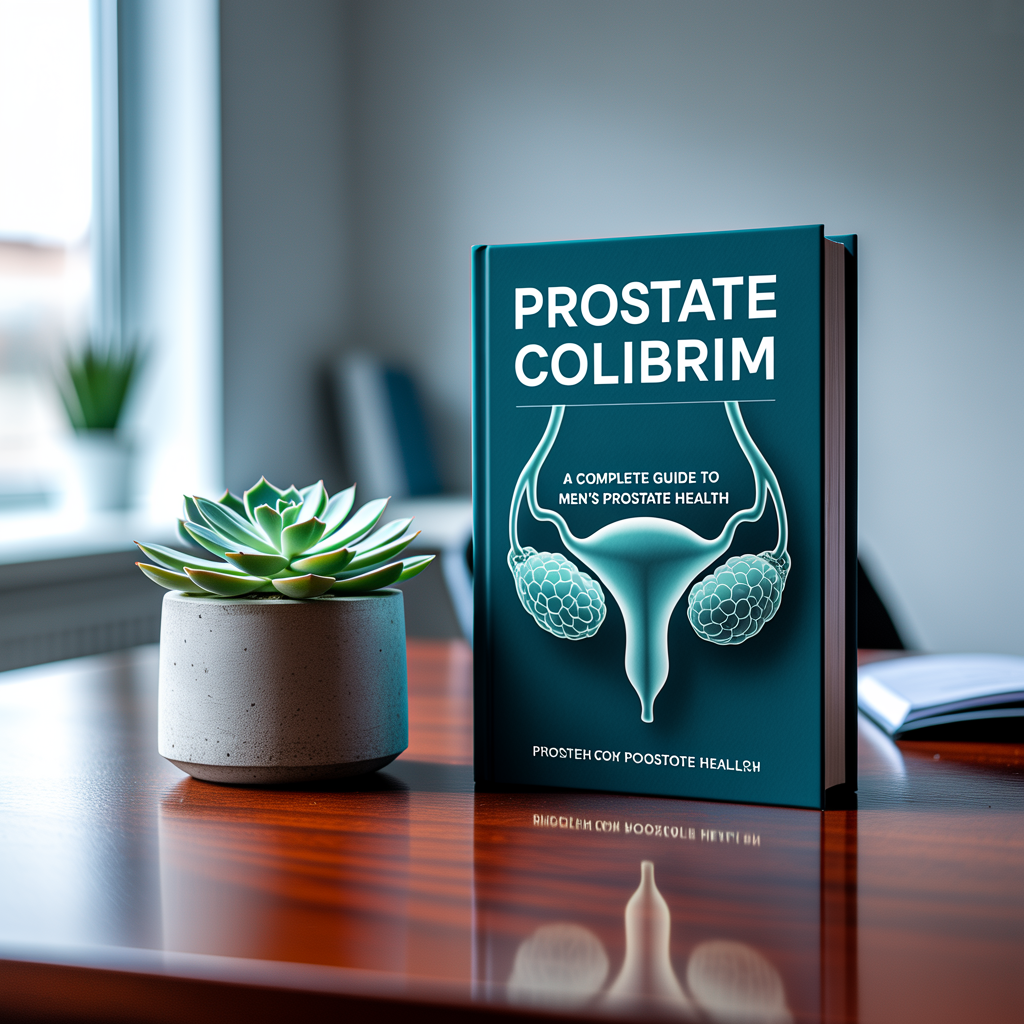
Table of Contents
Toggle
Prostate health becomes increasingly important as men grow older, making it essential to understand the factors that contribute to maintaining a healthy prostate. Many people search online for information using terms such as Prostate Colibrim, hoping to find reliable guidance regarding prostate wellness, common symptoms, possible treatment options, and healthy lifestyle habits. Although the phrase “Prostate Colibrim” is not a standard medical term, it represents a growing interest in learning more about prostate care and men’s overall health. This comprehensive guide explains the role of the prostate, common conditions affecting it, healthy lifestyle recommendations, diagnostic methods, and when professional medical advice should be sought.
Understanding the Prostate
The prostate is a small gland located below the bladder and surrounding part of the urethra. Its primary role is producing fluid that nourishes and transports sperm during ejaculation. Although relatively small, the prostate plays an important part in the male reproductive system. As men age, the prostate naturally changes in size, and these changes can sometimes contribute to urinary symptoms or other health concerns.
Many men begin experiencing prostate-related issues after the age of fifty, although younger individuals can also develop certain prostate conditions. Understanding normal prostate function helps people recognize symptoms early and seek appropriate medical evaluation before complications develop. Learning about prostate anatomy and function also reduces unnecessary anxiety caused by misinformation commonly found online.
Common Prostate Conditions
Several medical conditions can affect the prostate throughout a man’s life. One of the most common is benign prostatic hyperplasia (BPH), a non-cancerous enlargement of the prostate that may cause frequent urination, difficulty starting urination, weak urine flow, or the feeling that the bladder has not emptied completely. While BPH is not cancer, it can significantly affect quality of life if left untreated.
Another condition is prostatitis, which involves inflammation of the prostate. It may result from bacterial infection or other causes and can produce symptoms such as pelvic pain, painful urination, fever, or discomfort during ejaculation. Early diagnosis and proper treatment often help relieve symptoms and prevent recurrence.
Prostate cancer is another important condition. It is one of the most commonly diagnosed cancers among men worldwide. Many cases develop slowly and may not produce noticeable symptoms during the early stages, highlighting the importance of discussing screening with a healthcare professional based on age, family history, and individual risk factors.
Symptoms That Should Never Be Ignored
Recognizing warning signs early can make a significant difference in successful treatment and long-term health. Symptoms that deserve medical attention include difficulty urinating, weak urine stream, increased frequency of urination, especially at night, pain during urination, blood in urine or semen, persistent pelvic discomfort, lower back pain, unexplained weight loss, or erectile difficulties associated with other urinary symptoms. While these symptoms do not necessarily indicate cancer, they should always be evaluated by a qualified healthcare provider to determine the underlying cause.
Healthy Habits That Support Prostate Wellness
Maintaining prostate health involves adopting healthy daily habits that benefit the entire body. A balanced diet rich in vegetables, fruits, whole grains, legumes, healthy fats, and lean protein provides essential nutrients that support normal body functions. Tomatoes, leafy green vegetables, berries, nuts, seeds, and fatty fish are often included in heart-healthy eating patterns that may also support overall prostate health.
Regular physical activity improves circulation, supports weight management, and contributes to hormonal balance. Exercise also lowers the risk of many chronic diseases that affect overall health. Staying hydrated, avoiding tobacco products, limiting excessive alcohol consumption, managing stress, and getting sufficient sleep further contribute to long-term wellness. These habits are beneficial regardless of whether someone has existing prostate concerns.
Diagnosis and Medical Evaluation
Healthcare professionals use several methods to evaluate prostate health. A medical history and physical examination are usually the first steps. Depending on symptoms and risk factors, additional tests may include urine testing, blood tests such as the prostate-specific antigen (PSA) test, imaging studies, or referral to a urologist for specialized evaluation. If cancer is suspected, further testing such as magnetic resonance imaging (MRI) or biopsy may be recommended. Diagnostic decisions are individualized and should always be made in consultation with a qualified healthcare provider.
Treatment Options
Treatment depends entirely on the underlying diagnosis. Mild urinary symptoms caused by BPH may initially be managed with lifestyle changes or medications. More severe cases sometimes require minimally invasive procedures or surgery. Bacterial prostatitis typically requires antibiotics when appropriate, while chronic prostatitis may involve a combination of medications, physical therapy, and symptom management strategies.
If prostate cancer is diagnosed, treatment options vary according to the stage and aggressiveness of the disease. Management may include active surveillance, surgery, radiation therapy, hormone therapy, chemotherapy, targeted therapy, or combinations of these approaches. Advances in modern medicine have greatly improved outcomes for many patients through individualized treatment plans.
Can Lifestyle Reduce Prostate Problems?
Although lifestyle choices cannot prevent every prostate condition, healthy habits can improve overall well-being and may reduce the risk of certain diseases. Maintaining a healthy weight, exercising regularly, consuming a nutritious diet, managing chronic conditions such as diabetes and high blood pressure, and attending regular medical checkups all contribute to better long-term health. Early detection remains one of the most important factors in managing prostate-related conditions successfully.
Conclusion
Prostate health deserves attention throughout adulthood, particularly as men age. Whether someone searches for information using the keyword Prostate Colibrim or simply wants to learn more about prostate wellness, understanding common conditions, recognizing warning signs, and adopting healthy lifestyle habits are valuable steps toward maintaining long-term health. Reliable information combined with regular medical care helps individuals make informed decisions and seek treatment promptly when necessary. Rather than relying on unverified online claims, consult a qualified healthcare professional for personalized advice about symptoms, screening, or treatment options.
Frequently Asked Questions (FAQ)
What is Prostate Colibrim?
The phrase “Prostate Colibrim” is not a recognized medical term. If it refers to a specific product or brand, check the manufacturer’s information or consult a healthcare professional.
What does the prostate do?
The prostate produces fluid that helps nourish and transport sperm as part of the male reproductive system.
What are common symptoms of prostate problems?
Common symptoms include frequent urination, difficulty urinating, weak urine flow, pelvic discomfort, painful urination, and blood in the urine or semen.
At what age should men begin discussing prostate screening?
Many men begin discussing prostate screening around age 50, or earlier if they have higher risk factors such as a strong family history. Screening decisions should be individualized with a healthcare provider.
Can diet improve prostate health?
A balanced diet rich in vegetables, fruits, whole grains, healthy fats, and lean proteins supports overall health and may contribute to prostate wellness.
Is every enlarged prostate cancer?
No. Most enlarged prostates are caused by benign prostatic hyperplasia (BPH), which is non-cancerous, though medical evaluation is important to determine the cause.
Can exercise benefit prostate health?
Yes. Regular physical activity supports overall health, helps maintain a healthy weight, and may reduce the risk of several chronic conditions that affect prostate wellness.
Health
Men’s Supplements Colibrim: Benefits, Ingredients, Uses, and Complete Buying Guide
Published
2 months agoon
July 9, 2026
Table of Contents
Toggle
The market for men’s health supplements has expanded rapidly as more people look for ways to support their daily wellness, fitness goals, and active lifestyles. Among the products attracting attention is Men’s Supplements Colibrim, a supplement promoted for men who want additional nutritional support. Whether you’re interested in maintaining energy throughout the day, supporting physical performance, or complementing a balanced lifestyle, learning about a supplement before using it is essential.
This comprehensive guide explains what Men’s Supplements Colibrim is, its potential benefits, common ingredients found in men’s wellness supplements, how it may fit into a healthy routine, and important safety considerations. While supplements can help fill nutritional gaps, they work best alongside a nutritious diet, regular exercise, quality sleep, and healthy lifestyle habits.
What Is Men’s Supplements Colibrim?
Men’s Supplements Colibrim is a men’s wellness supplement designed to provide nutritional support through a blend of vitamins, minerals, herbal extracts, amino acids, or other ingredients, depending on the specific product formulation. Many men’s supplements are marketed to support overall vitality, muscle health, endurance, metabolism, and general wellness.
It’s important to note that supplements are not medicines and should not be expected to diagnose, treat, cure, or prevent disease. Their purpose is to complement a healthy lifestyle rather than replace balanced nutrition or medical care.
Potential Benefits of Men’s Supplements Colibrim
When used according to its label and as part of a healthy lifestyle, Men’s Supplements Colibrim may provide several potential benefits depending on its ingredients. Many men’s nutritional supplements aim to support normal energy production by supplying essential vitamins and minerals involved in metabolism. Others include antioxidants that help protect cells from oxidative stress, along with nutrients that contribute to immune function and overall health. Some formulas are designed to support muscle recovery after exercise, while others focus on helping men maintain an active lifestyle and balanced nutritional intake. Individual results can vary, and benefits depend on the product’s actual formulation, overall diet, and personal health.
Common Ingredients Found in Men’s Supplements
Many men’s supplements contain ingredients such as vitamin D, vitamin B12, zinc, magnesium, selenium, and other essential nutrients that contribute to normal bodily functions. Herbal extracts such as ginseng, maca, or ashwagandha are also commonly included in some products to support general wellness. Amino acids and antioxidants may be added to support recovery and cellular health. Before purchasing any supplement, always read the ingredient label carefully to understand exactly what is included and whether it meets your nutritional needs.
Who May Consider Men’s Supplements Colibrim?
Men who struggle to meet their nutritional needs through diet alone may consider adding a supplement after consulting a healthcare professional. Busy professionals, active individuals, athletes, and older adults often look for supplements to complement healthy eating habits. However, supplements should never replace nutritious meals, adequate hydration, regular exercise, or sufficient sleep. People with medical conditions or those taking prescription medications should consult their healthcare provider before starting any supplement.
How to Use Men’s Supplements Colibrim
For the best experience, always follow the serving instructions provided on the product label. Taking more than the recommended amount does not necessarily improve results and may increase the risk of unwanted effects. Consistency is often more important than taking large doses, and many supplements are intended for long-term use as part of a balanced wellness routine. Combining supplementation with regular physical activity, adequate protein intake, and a healthy diet generally provides better outcomes than relying on supplements alone.
Lifestyle Tips to Maximize Results
Supplements work best when combined with healthy daily habits. Eating a diet rich in vegetables, fruits, lean proteins, whole grains, and healthy fats provides the nutrients your body needs for optimal performance. Staying physically active through strength training and cardiovascular exercise helps maintain muscle health and overall fitness. Drinking enough water, managing stress effectively, and getting seven to nine hours of quality sleep each night are equally important. Together, these habits create a strong foundation for long-term wellness and allow supplements to play a supportive role rather than becoming the primary focus.
Safety Considerations
Before using Men’s Supplements Colibrim, carefully review the ingredient list for allergens or ingredients that may not be suitable for you. Pregnant or breastfeeding individuals should only use supplements recommended by their healthcare provider. If you experience any unexpected side effects after beginning a supplement, discontinue use and seek medical advice. Purchasing supplements from reputable retailers and checking for quality testing or certifications can also help ensure product safety and reliability.
How to Choose a Quality Men’s Supplement
Choosing the right men’s supplement involves more than selecting a popular product. Look for transparent ingredient labeling, reasonable serving sizes, clear usage instructions, and manufacturing practices that follow recognized quality standards. Reading customer reviews can provide insight into user experiences, but they should not replace scientific evidence or professional medical guidance. Comparing ingredient profiles and understanding your personal nutritional needs can help you make a more informed decision.
Conclusion
Men’s Supplements Colibrim may serve as a helpful addition to a healthy lifestyle for individuals seeking nutritional support, depending on its specific formulation and their individual needs. The greatest benefits from any supplement come when it is combined with balanced nutrition, consistent exercise, proper hydration, quality sleep, and healthy daily habits. Before adding any new supplement to your routine, review its ingredients carefully and consult a qualified healthcare professional if you have medical conditions or take medications. Making informed decisions and maintaining realistic expectations will help you get the most value from your wellness routine.
Frequently Asked Questions (FAQ)
What is Men’s Supplements Colibrim?
Men’s Supplements Colibrim is a men’s wellness supplement intended to provide nutritional support. The exact ingredients and intended uses depend on the specific product formulation.
What are the benefits of Men’s Supplements Colibrim?
Potential benefits may include supporting normal energy metabolism, overall wellness, and nutritional intake, depending on the ingredients. Individual results vary.
Is Men’s Supplements Colibrim safe?
When used as directed, many dietary supplements are generally intended for healthy adults. However, people with medical conditions, those taking medications, or anyone with concerns should consult a healthcare professional before use.
How should I take Men’s Supplements Colibrim?
Always follow the dosage instructions printed on the product label and avoid exceeding the recommended serving.
Can supplements replace a healthy diet?
No. Supplements are designed to complement a healthy diet and lifestyle, not replace nutritious foods or medical treatment.
How long does it take to notice results?
The timeline varies based on the product, its ingredients, and individual factors such as diet, exercise, and overall health. Consistent use as directed and healthy lifestyle habits are important.
Health
Obstetric Doctor: Complete Guide to Pregnancy Care, Childbirth, and Maternal Health
Published
2 months agoon
July 7, 2026
Table of Contents
TogglePregnancy is one of the most important and life-changing experiences in a person’s life, and receiving proper medical care is essential for ensuring the health of both the mother and the baby. An obstetric doctor is a medical specialist dedicated to managing pregnancy, childbirth, and postpartum care. Their expertise helps detect potential complications early, provides personalized treatment plans, and ensures that both routine and high-risk pregnancies receive the attention they require. Whether someone is expecting their first child or expanding their family, working with an experienced obstetric doctor significantly improves the chances of a safe pregnancy and healthy delivery. This comprehensive guide explains the role of an obstetric doctor, the services they provide, when to schedule appointments, how to choose the right specialist, and why regular prenatal care is one of the most important investments in maternal and newborn health.
What Is an Obstetric Doctor?
An obstetric doctor is a physician who specializes in pregnancy, labor, childbirth, and the recovery period after delivery. Obstetricians receive extensive education and clinical training that allows them to monitor fetal development, identify health risks, manage labor, perform cesarean sections when medically necessary, and provide comprehensive care throughout pregnancy. Their responsibilities extend beyond delivering babies because they also monitor maternal health, manage medical conditions that may affect pregnancy, recommend appropriate screenings, and provide education that helps parents prepare for childbirth. Obstetric doctors frequently collaborate with pediatricians, anesthesiologists, nurses, and other healthcare professionals to ensure coordinated care throughout every stage of pregnancy.
Responsibilities of an Obstetric Doctor
The role of an obstetric doctor begins even before pregnancy in some cases by offering preconception counseling to evaluate health conditions, recommend lifestyle improvements, and discuss family planning. Once pregnancy is confirmed, the obstetric doctor schedules regular prenatal appointments to monitor both maternal and fetal health. These visits include physical examinations, blood pressure monitoring, laboratory testing, ultrasound imaging, fetal heartbeat assessments, nutritional guidance, and discussions about symptoms or concerns. During labor, the obstetric doctor monitors the progress of delivery, manages pain relief options, addresses emergencies if they arise, and ensures the safest possible birth for both mother and child. Following delivery, postpartum care focuses on recovery, breastfeeding support, emotional well-being, and identifying any complications that require treatment.
Why Prenatal Care Is Important
Prenatal care is one of the most effective ways to reduce pregnancy-related complications. Regular appointments with an obstetric doctor allow healthcare providers to monitor fetal growth, identify medical concerns before they become serious, and educate parents about maintaining a healthy pregnancy. Early detection of gestational diabetes, high blood pressure, infections, anemia, or fetal developmental concerns can significantly improve treatment outcomes. Routine prenatal visits also provide opportunities to discuss nutrition, exercise, medications, vaccinations, sleep habits, mental health, and birth planning. Consistent monitoring reassures parents while ensuring the developing baby receives the best possible start in life.
Conditions Managed by an Obstetric Doctor
Obstetric doctors care for both uncomplicated and high-risk pregnancies. They commonly manage gestational diabetes, pregnancy-induced hypertension, preeclampsia, placenta previa, multiple pregnancies involving twins or triplets, premature labor, fetal growth restriction, Rh incompatibility, and pregnancy complications associated with chronic conditions such as diabetes, heart disease, kidney disease, thyroid disorders, and autoimmune illnesses. Their expertise allows them to develop individualized treatment strategies that prioritize maternal safety while promoting healthy fetal development throughout pregnancy.
How to Choose the Best Obstetric Doctor
Selecting the right obstetric doctor requires careful consideration of qualifications, experience, communication style, hospital affiliation, and patient reviews. Board certification demonstrates advanced training and adherence to professional standards. Experience managing pregnancies similar to your own can be especially valuable for patients with medical conditions or previous pregnancy complications. A compassionate doctor who listens carefully, answers questions thoroughly, and encourages shared decision-making often creates a more comfortable pregnancy experience. Accessibility for appointments, emergency availability, and collaboration with trusted hospitals are also important factors when making a decision.
What Happens During Prenatal Visits?
Prenatal appointments follow a structured schedule that becomes more frequent as the due date approaches. During early visits, the obstetric doctor confirms the pregnancy, estimates the due date, reviews medical history, and orders laboratory tests. As pregnancy progresses, routine visits include blood pressure measurements, weight monitoring, urine testing, fetal heartbeat evaluation, abdominal measurements, ultrasound examinations, and discussions about fetal movement. During the final weeks, appointments focus on the baby’s position, labor preparation, delivery planning, and recognizing signs that require immediate medical attention. These visits allow continuous monitoring while giving parents confidence throughout pregnancy.
Obstetric Doctor vs Gynecologist
Although many physicians practice both specialties, obstetrics and gynecology focus on different aspects of women’s healthcare. A gynecologist primarily diagnoses and treats conditions involving the female reproductive system, including menstrual disorders, hormonal conditions, infections, infertility, and preventive screenings. An obstetric doctor specializes in pregnancy, childbirth, and postpartum care. Physicians trained in both disciplines are commonly known as OB-GYNs, allowing them to provide comprehensive reproductive healthcare throughout different stages of life.
Preparing for Your First Appointment
Patients should prepare a detailed medical history before meeting an obstetric doctor. Bringing information about previous pregnancies, medications, allergies, family medical history, chronic illnesses, vaccination records, and menstrual history helps the physician develop an appropriate care plan. Preparing questions regarding nutrition, exercise, supplements, travel, work activities, medications, and delivery preferences ensures important concerns are addressed early. Open communication builds trust and contributes to a healthier pregnancy experience.
Maintaining a Healthy Pregnancy
A healthy pregnancy depends on consistent medical care combined with healthy daily habits. Eating a balanced diet rich in fruits, vegetables, lean proteins, whole grains, calcium, iron, and folic acid supports fetal development while maintaining maternal health. Regular physical activity, adequate hydration, sufficient sleep, stress management, and avoiding tobacco, alcohol, and illicit drugs further reduce pregnancy risks. Following the obstetric doctor’s recommendations regarding prenatal vitamins, vaccinations, weight management, and medical testing helps maximize positive outcomes for both mother and baby.
Conclusion
An obstetric doctor plays an essential role in supporting mothers and babies throughout pregnancy, childbirth, and postpartum recovery. Their expertise extends far beyond delivering babies, encompassing preventive care, early diagnosis, risk management, emergency treatment, and long-term maternal health. Regular prenatal visits allow medical professionals to monitor fetal development, identify complications early, and provide education that empowers parents to make informed decisions. Choosing an experienced obstetric doctor and maintaining consistent prenatal care contribute significantly to a safer pregnancy, smoother delivery, and healthier future for both mother and child.
Frequently Asked Questions (FAQ)
1. What is an obstetric doctor?
An obstetric doctor is a physician specializing in pregnancy, childbirth, and postpartum care.
2. When should I see an obstetric doctor?
Ideally, schedule your first prenatal appointment as soon as pregnancy is confirmed or if you are planning to become pregnant.
3. Can an obstetric doctor treat high-risk pregnancies?
Yes. Obstetric doctors are trained to manage many pregnancy complications, and some have additional expertise in high-risk maternal-fetal medicine.
4. How often are prenatal visits scheduled?
Most pregnancies involve monthly visits at first, then every two weeks, and weekly visits during the final month, depending on individual needs.
5. What tests does an obstetric doctor perform?
Common tests include blood tests, urine tests, ultrasounds, genetic screenings when appropriate, glucose testing, blood pressure monitoring, and fetal assessments.
6. What is the difference between an obstetric doctor and a gynecologist?
An obstetric doctor focuses on pregnancy and childbirth, while a gynecologist specializes in the broader health of the female reproductive system.
7. Can an obstetric doctor perform a cesarean section?
Yes. Obstetric doctors are trained to perform cesarean deliveries when medically indicated.
8. Why is prenatal care important?
Prenatal care helps monitor the health of the mother and baby, detect complications early, and improve the likelihood of a healthy pregnancy and safe delivery.

Do the Roar: Meaning, Origin, Meme, and Why the Phrase Became Popular

Breckie Hill Shower: What Happened and Why the Story Went Viral

Brooklyn Beckham Advert: The DoorDash World Cup Campaign Explained

Мистер Икс 2015: Полный обзор сюжета, актеров и интересных фактов

Whispering Gallery in Grand Central Terminal: The Hidden Acoustic Wonder Every Visitor Should Experience

Billy SpotFund Login: Complete Guide to Secure Access, Account Recovery, and Troubleshooting
Trending
 Entertainment2 months ago
Мистер Икс 2015: Полный обзор сюжета, актеров и интересных фактов
- nature2 months ago
Whispering Gallery in Grand Central Terminal: The Hidden Acoustic Wonder Every Visitor Should Experience
- Tech2 months ago
Billy SpotFund Login: Complete Guide to Secure Access, Account Recovery, and Troubleshooting
- Entertainment2 months ago
Profile Cute Images: 100+ Best HD Cute Profile Pictures for WhatsApp, Instagram, Facebook & TikTok
- information2 months ago
Kirsten Barlow Biography: Who Is Joe Lando’s Wife, Family, Marriage, and Private Life?
- NEWS2 months ago
Billy Wayne Smith: Biography, Early Life, Marriage, Family, Career, and Life Story
- Business2 months ago
RobTheCoins Business: Complete Guide to Crypto Trading and Investment
- Business2 months ago
Aldo Jankulla Massachusetts LinkedIn: Professional Profile, Career, and Experience