
blog
OfferUp: A Complete Guide to Buying and Selling Items Locally


OfferUp is a popular online marketplace that connects people who want to buy and sell secondhand and new items. It provides a convenient way for users to discover products in their local communities, list unwanted belongings for sale, and communicate with potential buyers. From furniture and electronics to clothing, vehicles, and household accessories, the platform offers different categories for everyday shopping.
Many people search for Offer Up because they want to understand how the marketplace works, how to create listings, and how to find affordable products nearby. Whether you are looking to sell an old smartphone, purchase used furniture, or discover local deals, understanding the platform can help you make better decisions.
In this guide, we will explain what OfferUp is, how to use its features, how to buy and sell items, and how to protect yourself during transactions. You will also learn practical tips for creating attractive listings, communicating with buyers, and getting more value from your marketplace experience.
1. What Is OfferUp?
OfferUp is a digital marketplace designed to make buying and selling items more convenient. It allows individuals to list products, browse available merchandise, communicate with other users, and arrange transactions through its supported features.
The platform focuses strongly on local commerce, making it useful for people who prefer finding products within their communities. Users can explore listings for furniture, electronics, home appliances, clothing, sports equipment, collectibles, and many other items.
One of the main advantages of OfferUp is that it gives everyday sellers an opportunity to reach potential buyers without opening a traditional online store. Similarly, buyers can explore secondhand products and compare different listings before deciding what to purchase.
2. How Does OfferUp Work?
OfferUp works by bringing buyers and sellers together through an online marketplace. Sellers create product listings with photographs, descriptions, prices, and relevant details. Buyers can search for products, review available listings, and contact sellers to ask questions or discuss a purchase.
The general process is straightforward, even for people who are new to online marketplaces. Users can browse products, communicate through supported messaging features, and arrange an appropriate transaction based on the listing and available delivery options.
Here is how the basic process works:
Create an Account: Register through the available OfferUp sign-up options.
Explore Listings: Search for products using categories and relevant keywords.
Review Products: Check photographs, descriptions, prices, and seller information.
Contact the Seller: Ask questions about condition, availability, and collection.
Agree on Details: Discuss the price and an appropriate transaction method.
Complete the Purchase: Follow the platform’s supported payment or exchange process.
The exact features available may depend on the location, product category, and current platform policies. Always review the transaction details before making a purchase.
Important information for readers: OfferUp is currently available for full use in the United States. Its availability and features may be limited for people outside the US. Also, as of September 22, 2026, OfferUp supports local, in-person transactions only; nationwide shipping is no longer available.
3. How to Buy Items on OfferUp
Buying products through OfferUp can be useful when you want to find secondhand items at reasonable prices. You can explore different listings, compare prices, check seller profiles, and communicate directly with sellers before arranging a purchase.
Follow these steps when buying something:
Open OfferUp and sign in to your account.
Search for the product you want to purchase.
Compare prices and available listings.
Read the product description carefully.
Check the seller’s ratings and profile information.
Send a message to ask questions about the item.
Agree on a safe public meeting location.
Inspect the product before completing payment.
For example, if you want to purchase a used laptop, ask about its battery condition, storage capacity, screen quality, and any existing damage. Testing the device before paying can help you avoid unexpected problems.
According to OfferUp’s buying guidance, buyers should review actual product photographs, seller ratings, and item descriptions before arranging a transaction.
4. How to Sell Items on OfferUp
Selling unwanted belongings is another useful feature of OfferUp. Instead of keeping unused furniture, electronics, clothing, or household products, you can create listings and connect with people interested in purchasing them.
Here is how to create a product listing:
Create or sign in to your OfferUp account.
Select the option to post an item for sale.
Upload clear photographs of the actual product.
Write an informative product title.
Include an honest description of its condition.
Set a reasonable asking price.
Provide an accurate item location.
Publish your listing and respond to interested buyers.
For example, if you are selling a used coffee table, include its dimensions, colour, material, age, and any visible scratches. Honest information helps potential buyers understand exactly what they are purchasing.
Good photographs and accurate descriptions can make your listings more attractive. Avoid hiding defects or exaggerating the product’s condition because transparency helps establish trust with buyers.
5. Popular Product Categories on OfferUp
One reason people use OfferUp is the variety of products available through its marketplace. Buyers can explore different categories depending on their requirements, location, and budget.
Some popular categories include:
Electronics: Smartphones, computers, televisions, gaming consoles, and accessories.
Furniture: Sofas, beds, tables, chairs, and storage cabinets.
Clothing: Shoes, jackets, accessories, and everyday fashion items.
Home Appliances: Refrigerators, microwaves, washing machines, and kitchen equipment.
Automotive: Cars, vehicle accessories, tires, and replacement parts.
Sports Equipment: Bicycles, exercise equipment, outdoor accessories, and sporting goods.
Collectibles: Vintage items, toys, decorative objects, and memorabilia.
Product availability depends on the listings created by users in different locations. Some categories may have more options than others, so comparing multiple listings can help you find something suitable.
6. Important Safety Tips for OfferUp Users
Online marketplaces can provide convenient shopping opportunities, but transactions with strangers require care. Buyers and sellers should take reasonable precautions to protect their money, personal information, and physical safety.
Follow these important safety tips:
Meet in Public: Choose a well-lit public location for local transactions.
Check the Product: Inspect the item carefully before paying.
Review User Profiles: Look at ratings, reviews, and available verification information.
Avoid Advance Payments: Be cautious of requests for deposits before inspecting locally listed products.
Protect Personal Information: Never share passwords, banking details, or verification codes.
Avoid Suspicious Links: Do not open unexpected payment or account-verification links.
Use Secure Communication: Keep conversations within OfferUp’s messaging system.
Report Suspicious Activity: Use the platform’s reporting features when you encounter suspicious users or listings.
A particularly important warning concerns verification codes. Scammers may pretend they need a code to confirm your identity or complete a transaction. Never share one-time passwords or account verification codes with another person.
7. Is OfferUp Free to Use?
OfferUp provides several free features that allow users to browse products, create listings within their available allowance, and communicate with other marketplace members. This makes it accessible to people who want to buy or sell everyday items without immediately paying for a subscription.
However, some additional features may involve charges. These can include promotional services that increase listing visibility, additional listing allowances, premium subscriptions, and certain job or service listings.
Before purchasing an upgraded feature, review its price and conditions. You should also remember that OfferUp does not charge a commission for ordinary in-person transactions, according to its current support information.
8. OfferUp Alternatives Worth Exploring
Although OfferUp is useful for local buying and selling in the United States, other marketplaces may be more appropriate depending on your location and shopping requirements.
Here are some alternatives:
Facebook Marketplace: Allows people to discover products and connect with local buyers and sellers.
Craigslist: Offers local classified listings covering furniture, vehicles, services, and other categories.
eBay: Provides a marketplace for new and used products with broader online shopping options.
Mercari: Focuses on buying and selling a variety of secondhand products.
OLX: Provides classified listings and local buying and selling opportunities in supported countries.
For people in Pakistan, OLX Pakistan may be a more practical alternative because OfferUp’s full marketplace features are restricted to US users. Compare the available features, seller protections, and payment arrangements before choosing a platform.
9. Tips for Getting Better Results on OfferUp
Whether you are purchasing affordable products or trying to sell unwanted belongings, a few practical habits can improve your marketplace experience. Taking time to research listings, communicate clearly, and compare prices can help you make more informed decisions.
If you are a buyer, search using specific product names and compare similar listings before contacting sellers. Check photographs, read descriptions, and ask about any details that could affect the item’s value or usability.
If you are a seller, use bright photographs, informative titles, accurate descriptions, and competitive prices. Respond politely to questions and provide honest information about product condition.
Avoid rushing into transactions simply because an item appears inexpensive. A little research and careful communication can help you avoid unnecessary problems and make better decisions.
Frequently Asked Questions About OfferUp
1. What is OfferUp used for?
OfferUp is an online marketplace used to buy and sell products locally. People can list unwanted belongings, discover secondhand products, communicate with other users, and arrange in-person transactions.
2. Is OfferUp free to use?
Many basic marketplace features are free, including browsing, messaging, and posting within available listing allowances. Some promotional features, additional listings, and subscriptions may require payment.
3. Is OfferUp available outside the United States?
OfferUp’s full marketplace features are currently available only in the United States. People in other countries may be able to view its website, but access to its complete services is limited.
4. Can I sell used furniture on OfferUp?
Yes, furniture is among the types of products users can list. Sellers should provide clear photographs, accurate dimensions, honest condition details, and a reasonable asking price.
5. Is OfferUp safe for buying and selling?
OfferUp provides messaging, user profiles, ratings, and safety guidance, but no marketplace can eliminate every risk. Meeting in public, inspecting products, and avoiding suspicious payment requests are important precautions.
6. Does OfferUp support shipping?
No. As of September 22, 2026, OfferUp supports local, in-person transactions only. Nationwide shipping is no longer available.
7. How do I create an OfferUp account?
Visit the official OfferUp website or use its mobile application and follow the available registration instructions. Complete the required account information and review the platform’s policies before buying or selling.
8. What should I do if I encounter a scam on OfferUp?
Stop communicating with the suspicious user, avoid clicking external links, and never share personal or financial information. Report suspicious accounts or listings through the platform and contact your financial institution if you have exposed payment information.
Conclusion
OfferUp is a useful online marketplace for people who want to buy and sell secondhand products within their local communities. Its features make it easier to discover available items, create product listings, communicate with potential buyers, and arrange local transactions.
Whether you want to sell unused furniture, purchase affordable electronics, or explore interesting secondhand products, understanding how the platform works can help you make better decisions. Always check product details, compare prices, communicate carefully, and follow recommended safety practices.
Remember that successful marketplace transactions depend on honesty, clear communication, and sensible precautions. By using OfferUp responsibly, buyers and sellers can enjoy a more convenient local shopping experience.

If you are looking for an unforgettable cultural experience in Florida, the Dali Museum St. Pete Florida is a destination worth exploring. Located in downtown St. Petersburg, this famous art museum celebrates the life, creativity, and extraordinary imagination of Spanish artist Salvador Dalí. It welcomes art lovers, tourists, families, and curious visitors who want to experience something different.
The museum is especially famous for its impressive collection of original artwork, unusual architectural design, interactive digital experiences, and beautiful waterfront location. Whether you are interested in surrealist paintings, modern architecture, or immersive exhibitions, The Dalí offers an experience that goes beyond a traditional museum visit.
1. What Is the Dali Museum St. Pete Florida?
The Dalí Museum in St. Petersburg, Florida, is a major cultural attraction dedicated to preserving and presenting the work of Salvador Dalí. The museum originally opened in 1982 and has developed into one of the most recognized art destinations in the United States.
Its collection includes approximately 2,400 works by Salvador Dalí, representing different periods and artistic styles throughout his career. Visitors can explore oil paintings, drawings, photographs, sculptures, prints, manuscripts, and other creative materials.
The museum provides an opportunity to understand how Dalí used imagination, symbolism, dreams, and unusual visual combinations to create his famous surrealist art. Even visitors who are unfamiliar with his work can discover something fascinating through the exhibitions and educational displays.
2. Salvador Dalí Artwork and Permanent Collections
One of the biggest reasons people visit the Dali Museum St. Pete Florida is its remarkable collection of original artwork. Salvador Dalí was one of the most influential surrealist artists of the twentieth century, and his paintings often feature unexpected objects, dreamlike environments, and imaginative details.
The permanent galleries display artwork from different stages of his creative life. Visitors can discover how his artistic techniques developed over time and how he experimented with different materials, subjects, and visual ideas.
Some paintings require visitors to spend extra time observing their details because they contain hidden meanings and surprising visual elements. The collection also provides insight into Dalí’s interests in science, mathematics, psychology, religion, and philosophy.
For anyone interested in modern art, surrealism, or creative expression, these galleries offer an educational and inspiring experience.
3. The Dalí Museum Architecture and Beautiful Building Design
The museum’s architecture is another major attraction. Designed by architect Yann Weymouth, the current building opened in January 2011 and combines strong concrete construction with an impressive glass structure.
One of its most recognizable features is the large geodesic glass structure known as the Enigma. It contains 1,062 triangular pieces of glass and rises approximately 75 feet above the building, creating a distinctive appearance against the St. Petersburg skyline.
Inside, visitors can admire the beautiful interior spaces and a dramatic spiral staircase inspired by mathematical and natural forms. The architectural design reflects the imaginative spirit associated with Salvador Dalí’s artistic vision.
The building is more than a place to display paintings. It creates a visual experience that connects architecture, art, science, and creativity.
4. The Dalí Dome and Interactive Experiences
The Dalí Dome adds another dimension to the museum experience. This immersive space uses advanced projection technology to surround visitors with moving images, lighting, and sound inspired by Dalí’s artistic world.
Experiences such as Dalí Alive 360° allow visitors to explore his life and creative imagination through large-scale visual presentations. Other immersive programs, such as Surreal Nature, combine artistic imagery with natural themes and atmospheric sound.
These experiences are particularly interesting for visitors who enjoy modern technology and interactive entertainment. However, Dome experiences generally require a separate timed ticket in addition to regular gallery admission.
Visitors should check the official exhibition schedule before arriving because available programs and showtimes can change.
5. Dali Museum Tickets, Admission Prices, and Opening Hours
Planning your visit in advance can make your experience at the Dali Museum St. Pete Florida much easier. The museum recommends purchasing tickets online before arrival, particularly when you want to attend a specific immersive Dome presentation.
The following are the published general gallery admission prices:
- Adults (18–64): $32
- Seniors (65+): $29
- Educators, fire, police, and military: $29
- Students and teens (13–17): $22
- Children (6–12): $12
- Children aged 5 and younger: Free
- Museum members: Free gallery admission
An additional Dome experience generally costs $15 per show. Special discounts and local admission offers may also be available for eligible visitors.
Opening hours:
- Monday: 10 AM–6 PM
- Tuesday: 10 AM–6 PM
- Wednesday: 10 AM–6 PM
- Thursday: 10 AM–8 PM
- Friday: 10 AM–6 PM
- Saturday: 10 AM–6 PM
- Sunday: 10 AM–6 PM
The museum is closed on Thanksgiving and Christmas Day. Always check the official website for special schedules and ticket availability before traveling.
6. Café Gala, Museum Store, and Outdoor Garden
A visit to the Dalí Museum is not limited to viewing artwork. Visitors can also enjoy additional facilities that make the experience more comfortable and enjoyable.
Café Gala is the museum’s Spanish-inspired café, offering a selection of light meals, tapas, salads, sandwiches, desserts, and coffee. It is a convenient place to relax and enjoy refreshments after exploring the galleries.
The museum store offers Dalí-inspired souvenirs, books, decorative products, and creative gifts. It is an interesting stop for visitors who want to take home something connected to the artist’s imagination.
Another highlight is the Avant-garden, an outdoor space where visitors can relax, explore artistic details, and enjoy the waterfront surroundings. It provides a peaceful break between gallery visits and adds another enjoyable part to the museum experience.
7. Practical Tips for Visiting Dali Museum St. Pete Florida
A little preparation can help you get more value from your visit. The museum is located at One Dalí Boulevard, St. Petersburg, FL 33701, making it convenient to reach from downtown attractions and nearby waterfront areas.
On-site parking is available for approximately $10 on a first-come, first-served basis. Visitors can also explore nearby street parking, public garages, and alternative transportation options.
Consider spending around two to three hours exploring the galleries, architecture, garden, and other attractions. If you plan to attend a Dome presentation, allow additional time for your scheduled show.
Here are some useful visitor tips:
- Purchase admission tickets online in advance.
- Check current special exhibitions and Dome schedules.
- Bring a charged smartphone and headphones for the free mobile museum guide.
- Follow photography rules, including restrictions on flash and tripods.
- Wear comfortable shoes for exploring the galleries and outdoor spaces.
- Check accessibility services if you have specific mobility or sensory requirements.
These simple steps can help you enjoy a more organized and memorable visit.
Frequently Asked Questions (FAQs)
1. Where is the Dali Museum in St. Pete Florida located?
The Dalí Museum is located at One Dalí Boulevard, St. Petersburg, Florida 33701, in the downtown waterfront area.
2. What is the Dali Museum famous for?
The museum is famous for its extensive collection of Salvador Dalí’s artwork, surrealist paintings, distinctive architecture, and immersive digital experiences.
3. How much are tickets to the Dali Museum?
General adult gallery admission is listed at $32, while discounted admission is available for eligible visitors, students, and children. Dome experiences cost extra.
4. How long does it take to visit the Dali Museum?
Most visitors should allow approximately two to three hours to explore the galleries, building, garden, and additional experiences.
5. Is the Dali Museum worth visiting?
Yes. It is an excellent destination for art lovers, tourists, families, and anyone interested in surrealism, architecture, and creative technology.
6. Does the Dali Museum have parking?
Yes. On-site parking is available for approximately $10, subject to availability. Nearby parking facilities and public transportation are additional options.
7. Can visitors take pictures inside the Dali Museum?
Personal photography is permitted in many areas, including the permanent collection galleries, subject to museum rules. Flash photography, tripods, and selfie sticks are not permitted.
Final Thoughts
The Dali Museum St. Pete Florida is one of the most interesting cultural destinations in St. Petersburg. Its impressive collection of Salvador Dalí artwork, remarkable architecture, immersive digital exhibitions, and peaceful outdoor garden make it a memorable place to explore.
Whether you are visiting for the first time or returning to discover more of Dalí’s creative world, the museum offers something valuable for different interests and age groups. By booking tickets in advance and planning enough time for the galleries and special experiences, you can enjoy a rewarding visit to this unique Florida attraction.
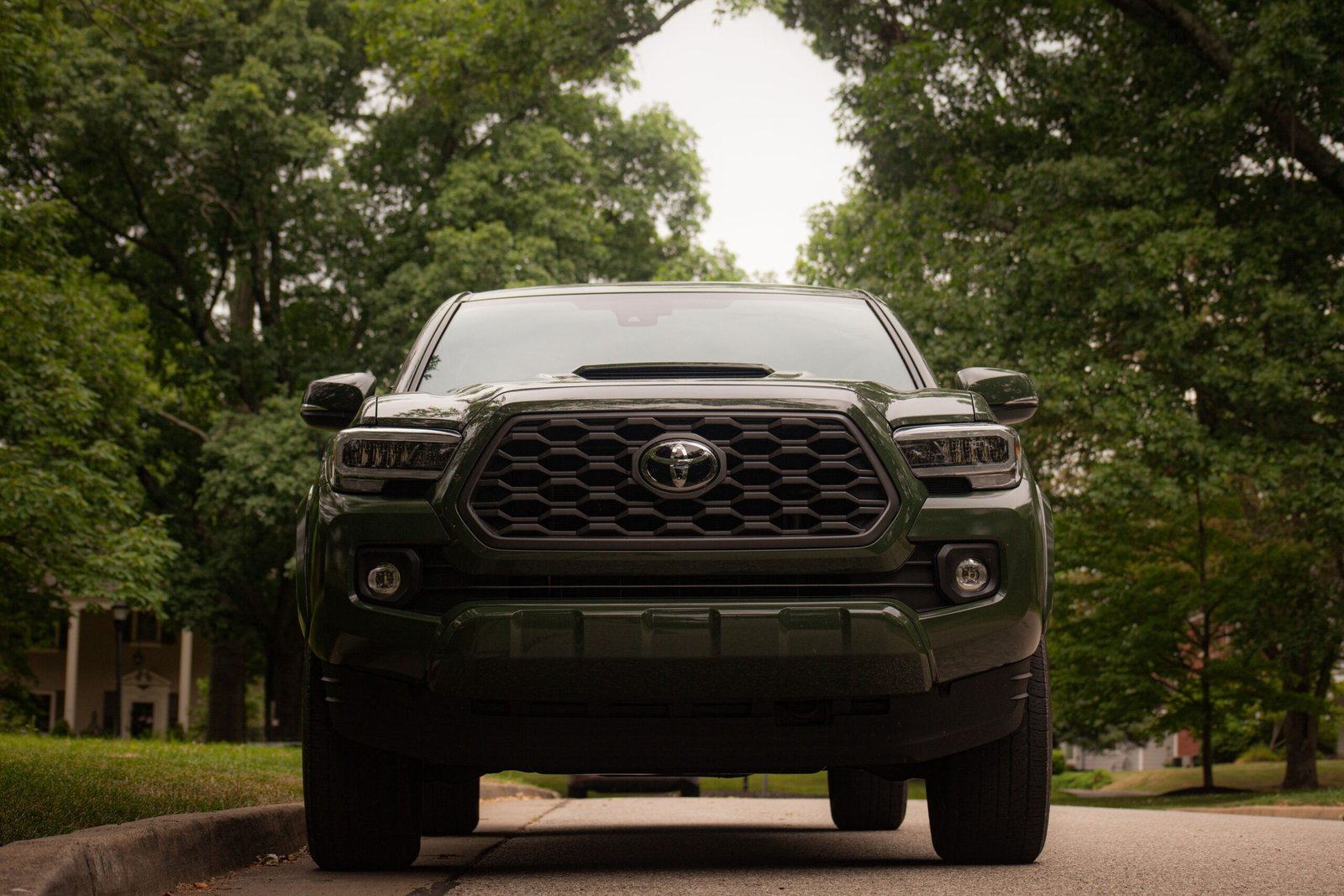
The market for new Toyota trucks continues to attract drivers who want a combination of capability, modern technology, utility, and multiple powertrain choices. Toyota’s current pickup lineup gives buyers different ways to approach truck ownership, with the Tacoma serving the midsize segment and the Tundra positioned as the full-size pickup. Toyota also continues to expand electrified truck technology, with available i-FORCE MAX hybrid powertrains offered in both the Tacoma and Tundra. For buyers researching a new truck in 2026, understanding the differences between these models, their engines, towing capabilities, available configurations, technology, and off-road equipment is an important part of choosing the right vehicle.
The phrase new Toyota trucks can also refer to different models depending on the market. In the United States, Tacoma and Tundra are the key Toyota pickup models, while the globally sold Hilux is another important Toyota truck. In 2026, Toyota introduced a completely redesigned Hilux in Japan, and Toyota’s UK operation describes the new ninth-generation Hilux as offering diesel 48V and battery-electric versions. This means Toyota’s worldwide pickup strategy is becoming increasingly diverse, with traditional gasoline and diesel engines existing alongside hybrid and electric technologies in different markets.
What Are the New Toyota Trucks for 2026?
When researching new Toyota trucks 2026, the two most important U.S. models are the Tacoma and Tundra. The 2026 Tacoma is a midsize pickup designed around everyday utility, outdoor recreation, towing, and off-road driving, while the Tundra is Toyota’s full-size pickup intended for customers who need a larger truck and greater maximum towing capability. Toyota lists the 2026 Tacoma with a starting MSRP of $32,545 in the United States, while the 2026 Tundra starts at $41,260. Actual transaction prices can vary depending on trim, equipment, destination charges, taxes, dealer pricing, and other factors.
The Tacoma and Tundra also demonstrate how Toyota is using different approaches to truck performance. The 2026 Tacoma is available with Toyota’s i-FORCE MAX hybrid powertrain, producing up to 326 horsepower and 465 lb.-ft. of torque. The Tundra offers a larger i-FORCE MAX hybrid system producing 437 horsepower and 583 lb.-ft. of torque, while Toyota lists maximum Tundra towing capacity at up to 12,000 pounds when properly equipped. These figures show that shoppers looking at new Toyota trucks should consider not only the model name but also the engine, drivetrain, configuration, and equipment selected.
2026 Toyota Tacoma: A Midsize Toyota Truck
The 2026 Toyota Tacoma is one of the most recognizable names in the midsize pickup segment. Toyota offers it with an i-FORCE turbocharged gasoline powertrain as well as the available i-FORCE MAX hybrid powertrain. Depending on configuration, buyers can choose an eight-speed automatic transmission or a six-speed manual transmission. Toyota also offers XtraCab and Double Cab configurations, giving shoppers different combinations of passenger space and cargo-bed utility.
For drivers who spend significant time away from paved roads, the Tacoma has a wide range of specialized equipment. Toyota highlights features such as available multi-link rear suspension, Crawl Control and a Stabilizer Disconnect Mechanism on appropriate configurations. The TRD Pro and Trailhunter versions are designed with a stronger emphasis on off-road use, while other Tacoma grades provide a more balanced combination of daily driving, utility, and recreational capability. The variety of configurations is one reason the Tacoma can appeal to customers with very different truck requirements.
The 2026 Tacoma also places considerable emphasis on technology and everyday practicality. An available 14-inch multimedia touchscreen provides access to functions such as navigation and smartphone connectivity, while Toyota also offers an available JBL premium audio system. Depending on configuration, the truck can have a five-foot or six-foot bed, and Toyota uses an aluminum-reinforced composite bed design intended to provide durability without relying on a conventional steel bed surface. Hybrid Tacoma models also include a 2,400-watt onboard AC inverter capable of supplying power to equipment in the bed and cabin.
2026 Toyota Tundra: The Full-Size Toyota Pickup
For buyers who need a larger pickup, the 2026 Toyota Tundra occupies the full-size portion of Toyota’s truck lineup. The Tundra is available with the i-FORCE engine or the i-FORCE MAX hybrid powertrain. Toyota lists the conventional i-FORCE engine at up to 389 horsepower and 479 lb.-ft. of torque, while the i-FORCE MAX reaches 437 horsepower and 583 lb.-ft. of torque. The Tundra uses a 10-speed electronically controlled automatic transmission, and maximum towing capacity reaches 12,000 pounds when properly configured.
The Tundra is offered in a broad range of trims, including SR, SR5, Limited, Platinum, 1794 Edition, TRD Pro and Capstone, with hybrid versions available on selected grades. This allows the same basic full-size pickup platform to serve different purposes, from work-oriented use to luxury-focused driving and off-road recreation. Buyers comparing new Toyota trucks should therefore pay attention to trim-level equipment rather than assuming that every Tundra has identical capabilities or features.
Toyota has also made several updates for the 2026 Tundra. The company lists an updated Capstone interior, available IsoDynamic Performance seats on the Tundra TRD Pro, a new Wave Maker color for TRD Pro, and additional equipment availability for the TRD Rally Package. Toyota also states that a 32.2-gallon fuel tank is standard across all 2026 Tundra grades. These updates add to the range of configurations available to shoppers looking for a new Toyota full-size truck.
New Toyota Trucks and Hybrid Powertrains
Hybrid technology is one of the most important developments in the current Toyota truck lineup. Rather than treating electrification as a separate category from traditional truck capability, Toyota uses its i-FORCE MAX system to combine a turbocharged gasoline engine with an electric motor. In the Tacoma, the available hybrid system produces up to 326 horsepower and 465 lb.-ft. of torque, while the Tundra’s i-FORCE MAX produces 437 horsepower and 583 lb.-ft. of torque.
The hybrid Tacoma also demonstrates that electrification can be useful for more than fuel economy. Toyota equips hybrid Tacoma models with a 2,400-watt onboard AC inverter that can provide electrical power to equipment. For people who use a truck for camping, outdoor activities, job-site tasks, or recreational equipment, this feature can make the truck more versatile. Buyers should still compare the exact specifications of individual trims because available features and capabilities can vary across the lineup.
New Toyota Trucks for Towing
Towing capability is one of the most important considerations when shopping for a pickup, but maximum towing numbers should not be viewed in isolation. The actual towing capacity of a particular truck depends on its configuration, drivetrain, cab, bed, equipment, and other specifications. Toyota lists the 2026 Tundra with a maximum towing capacity of 12,000 pounds, making it the larger Toyota pickup for shoppers whose primary requirement is substantial towing capability.
The Tacoma is positioned differently. Its midsize dimensions can make it appealing to drivers who want a pickup that is easier to use in everyday environments while retaining significant off-road and utility capability. Toyota offers multiple configurations and powertrains, including the i-FORCE MAX hybrid, allowing customers to prioritize different combinations of performance, efficiency, cargo space, and trail capability. Anyone planning to tow regularly should check the exact tow rating of the configuration they intend to purchase rather than relying only on the model’s maximum advertised figure.
Off-Road Features in New Toyota Trucks
Off-road performance is closely associated with Toyota’s truck lineup, particularly the Tacoma and specialized TRD versions of the Tacoma and Tundra. The Tacoma offers available equipment such as Crawl Control, a Stabilizer Disconnect Mechanism and purpose-built suspension configurations. Toyota describes the TRD Pro and Trailhunter as particularly focused on challenging terrain and outdoor adventure.
The Tundra also offers dedicated off-road configurations, including the TRD Pro and TRD Rally Package. Depending on the selected version, buyers can find specialized suspension, tires, underbody protection, and other equipment intended for demanding driving environments. These trucks are still designed for road use, but their available off-road hardware gives buyers additional capability when driving on trails, gravel roads, sand, mud, or other difficult surfaces.
Technology and Interior Features
Modern new Toyota trucks are no longer focused exclusively on mechanical capability. Technology has become an important part of the ownership experience, and the Tacoma demonstrates this with its available 14-inch multimedia touchscreen, wireless Apple CarPlay and Android Auto compatibility, available JBL audio, and various storage solutions. The Tundra similarly offers a technology-rich interior, with available features designed to assist with towing, visibility, connectivity, and everyday convenience.
The increased focus on technology does not eliminate the practical features that truck buyers need. Bed design, storage, rear-seat flexibility, power outlets, towing equipment, cameras, and driver-assistance systems can all influence how useful a pickup becomes in real-world situations. When comparing Toyota trucks, it is therefore helpful to separate entertainment technology from equipment that directly affects work, towing, cargo management, and safety.
New Toyota Trucks Around the World: The Hilux
Although Tacoma and Tundra are particularly important to the U.S. market, the Toyota Hilux remains one of Toyota’s major global pickup models. In May 2026, Toyota announced the launch of a completely redesigned Hilux in Japan. Toyota described the new Hilux as combining updated exterior styling with revised performance, safety, security, and connected features. The Japanese launch used a 1GD diesel engine, while other markets have their own powertrain specifications.
Toyota’s UK operation describes the ninth-generation Hilux as another major step in the model’s development, with diesel 48V and battery-electric versions forming part of its electrified strategy. The availability of these powertrains varies by market, so buyers should not assume that a Hilux configuration offered in one country will be available in another. Nevertheless, the new Hilux illustrates how Toyota’s global pickup strategy is expanding beyond conventional gasoline-powered trucks.
Tacoma vs. Tundra: Which Toyota Truck Fits Different Needs?
The difference between the Tacoma and Tundra is primarily about size, capability, configuration, and intended use. The Tacoma is a midsize pickup with a starting U.S. MSRP of $32,545 for the 2026 model year and offers both gasoline and available hybrid powertrains. The Tundra is a larger full-size pickup starting at $41,260 and offers higher maximum towing capacity, more powerful engine options, and a broader range of large-truck configurations.
A buyer who mainly needs a midsize truck for commuting, recreation, moderate hauling, and off-road activities may focus on the Tacoma’s dimensions and configuration choices. Someone who frequently needs greater towing capability, a larger full-size truck, or the additional power available from the Tundra may instead investigate the Tundra lineup. There is no single configuration that fits every truck owner, which is why comparing intended use, payload requirements, towing requirements, passenger needs, bed length, drivetrain, and budget is more useful than simply choosing a truck based on its size or appearance.
What to Consider Before Buying a New Toyota Truck
Before purchasing one of the new Toyota trucks, start by identifying how the vehicle will actually be used. If towing is a major requirement, determine the weight of the trailer and loaded cargo and then examine the towing rating of the exact truck configuration. If off-road driving is the priority, look at ground clearance, four-wheel-drive availability, suspension equipment, tires, approach and departure angles, and specialized features such as Crawl Control. For daily driving, dimensions, fuel consumption, cabin configuration, technology, ride comfort, parking convenience, and available safety features may deserve greater attention.
Budget should also include more than the advertised starting MSRP. A truck’s final price can increase substantially with higher trim levels, hybrid powertrains, optional packages, larger wheels, accessories, destination charges, taxes, registration, financing costs, and dealer pricing. Toyota’s published prices are useful starting points, but shoppers should check current pricing and inventory in their own market before making a purchase decision. The same principle applies to availability because equipment, colors, trims, and powertrains can vary by region.
Why New Toyota Trucks Continue to Attract Buyers
Toyota’s current truck strategy combines established pickup nameplates with newer technology. Tacoma continues to serve the midsize market with gasoline and hybrid powertrains, while Tundra provides a full-size option with substantial towing capability and an available i-FORCE MAX hybrid system. Toyota is also developing its global pickup portfolio, as demonstrated by the redesigned Hilux and its expanded electrified powertrain strategy in selected markets.
For consumers researching new Toyota trucks, this variety means there are more factors to consider than ever before. The right choice depends on the size of truck needed, how much towing and payload capability is required, whether off-road equipment matters, how many passengers need to be carried, and whether a conventional or hybrid powertrain better matches the buyer’s priorities. Comparing exact specifications and configurations is the best way to understand what each Toyota truck can provide.
Conclusion
The world of new Toyota trucks has become broader and more technologically advanced, with the 2026 Tacoma and Tundra providing two distinct choices for U.S. pickup buyers. The Tacoma combines midsize dimensions with available i-FORCE MAX hybrid power, off-road-focused configurations, useful bed technology, and multiple cab and transmission choices. The Tundra moves into the full-size category with stronger towing capability, powerful gasoline and hybrid engines, numerous trims, and a wide range of work, luxury, and off-road equipment.
Toyota’s global truck story is also evolving, with the redesigned 2026 Hilux introducing new technology and electrified options in selected markets. For anyone searching for a new Toyota pickup, the most useful approach is to compare the models according to actual needs rather than focusing only on appearance or headline specifications. By examining engine choices, towing capacity, bed size, cab configuration, drivetrain, off-road equipment, technology, pricing, and market availability, shoppers can build a much clearer picture of which new Toyota truck configuration matches their requirements.
Frequently Asked Questions About New Toyota Trucks
What are the new Toyota trucks for 2026?
In the U.S. market, Toyota’s primary 2026 pickup trucks are the Tacoma and Tundra. The Tacoma is a midsize pickup, while the Tundra is a full-size pickup. Toyota also offers available i-FORCE MAX hybrid powertrains for both models.
How much does a new Toyota Tacoma cost?
The 2026 Toyota Tacoma has a starting MSRP of $32,545 in the United States, according to Toyota. The final price depends on trim, options, destination charges, taxes, dealer pricing, and other costs.
How much does the 2026 Toyota Tundra cost?
Toyota lists the 2026 Tundra with a starting MSRP of $41,260 in the United States. Higher trims and optional equipment can increase the purchase price considerably.
Does Toyota make hybrid trucks?
Yes. Toyota offers the i-FORCE MAX hybrid powertrain in the Tacoma and Tundra. The 2026 Tacoma i-FORCE MAX produces up to 326 horsepower and 465 lb.-ft. of torque, while the Tundra i-FORCE MAX produces up to 437 horsepower and 583 lb.-ft. of torque.
How much can the new Toyota Tundra tow?
The 2026 Toyota Tundra has a maximum towing capacity of up to 12,000 pounds when properly equipped. Actual towing capacity varies according to the specific configuration and equipment.
Is the Toyota Tacoma available with a manual transmission?
Yes. Toyota lists an available six-speed manual transmission for the 2026 Tacoma, while an eight-speed automatic transmission is also available depending on configuration.
What is the Toyota Hilux?
The Hilux is Toyota’s global pickup truck and is sold in numerous international markets. Toyota launched a completely redesigned Hilux in Japan in 2026, while other markets receive their own versions and powertrain combinations.
Are new Toyota trucks good for off-road driving?
Toyota offers several trucks and configurations specifically equipped for off-road use. The Tacoma, particularly versions such as TRD Pro and Trailhunter, offers features including specialized suspension equipment, Crawl Control, and other trail-focused technologies. Tundra also offers off-road-oriented configurations such as TRD Pro.
Which is bigger, the Tacoma or Tundra?
The Tundra is Toyota’s full-size pickup, while the Tacoma is its midsize pickup in the U.S. lineup. Their different sizes and configurations make them suited to different combinations of passenger, cargo, towing, and driving requirements.
Are Toyota trucks becoming more electrified?
Toyota is expanding electrified powertrain options across its truck lineup. The Tacoma and Tundra already offer i-FORCE MAX hybrid powertrains in the U.S., while the redesigned Hilux has introduced additional electrified powertrain options in selected international markets.


How to Sing: A Complete Beginner’s Guide to Improving Your Singing Voice

Dali Museum St. Pete Florida: Complete Visitor Guide, Tickets, Exhibits, and Things to See

Violin Lessons: A Complete Beginner’s Guide to Learning the Violin

Мистер Икс 2015: Полный обзор сюжета, актеров и интересных фактов

Profile Cute Images: 100+ Best HD Cute Profile Pictures for WhatsApp, Instagram, Facebook & TikTok

Whispering Gallery in Grand Central Terminal: The Hidden Acoustic Wonder Every Visitor Should Experience
 Entertainment4 months ago
Мистер Икс 2015: Полный обзор сюжета, актеров и интересных фактов
- Entertainment4 months ago
Profile Cute Images: 100+ Best HD Cute Profile Pictures for WhatsApp, Instagram, Facebook & TikTok
- nature4 months ago
Whispering Gallery in Grand Central Terminal: The Hidden Acoustic Wonder Every Visitor Should Experience
- Tech4 months ago
Billy SpotFund Login: Complete Guide to Secure Access, Account Recovery, and Troubleshooting
- NEWS4 months ago
Billy Wayne Smith: Biography, Early Life, Marriage, Family, Career, and Life Story
- information4 months ago
Kirsten Barlow Biography: Who Is Joe Lando’s Wife, Family, Marriage, and Private Life?
- Business4 months ago
RobTheCoins Business: Complete Guide to Crypto Trading and Investment
- Business4 months ago
Aldo Jankulla Massachusetts LinkedIn: Professional Profile, Career, and Experience