blog
Brooklyn Beckham Advert: The DoorDash World Cup Campaign Explained


The Brooklyn Beckham advert became a major talking point in 2026 after the Beckham family’s ongoing public tensions were referenced in a DoorDash campaign connected with the FIFA World Cup. Rather than functioning as a conventional celebrity commercial focused only on food delivery, the advertisement attracted attention because Brooklyn Beckham appeared to make an indirect reference to his complicated relationship with his family. In the campaign, Brooklyn is shown watching the World Cup from home despite having match tickets, and he tells viewers that the reason is “a long story.” The advert then turns the tickets over to DoorDash, creating a deliberately mysterious ending that encouraged viewers to interpret the commercial in the context of the wider Beckham family story. Several media outlets reported that the campaign was widely interpreted as a reference to Brooklyn’s estrangement from his parents and siblings, although interpretations of the advert should not automatically be treated as confirmed statements about the family’s private circumstances.
The reason the Brooklyn Beckham advert generated so much interest is closely connected to the unusual combination of celebrity, sport, advertising and family controversy. Brooklyn is already a highly recognizable figure because he is the eldest son of David and Victoria Beckham, while the 2026 World Cup provided an enormous global cultural backdrop for a campaign. His father is one of the most famous footballers of his generation, making Brooklyn’s decision to appear in a World Cup-themed commercial particularly attention-grabbing. The advertisement therefore worked on several levels: it promoted DoorDash, connected with the excitement surrounding the tournament, and invited viewers to speculate about the meaning behind Brooklyn’s absence from the matches. That combination helped transform a relatively short promotional video into a much broader entertainment story.
What Is the Brooklyn Beckham Advert?
The Brooklyn Beckham advert refers primarily to a 2026 DoorDash promotional campaign in which Brooklyn Beckham appeared in a World Cup-themed commercial. The campaign was designed around the idea that Brooklyn would be watching the FIFA World Cup from home rather than attending matches, despite possessing tickets. In the advertisement, he addresses the audience directly and makes a deliberately vague comment about why he is at home. He subsequently gives away his tickets through a DoorDash delivery interaction. Reports about the campaign highlighted the closing message, which suggested that the situation was “complicated” and that more might follow, giving the commercial an intentionally teasing quality.
What made the Brooklyn Beckham DoorDash advert different from an ordinary celebrity endorsement was the amount of context surrounding it. The commercial appeared at a time when Brooklyn’s relationship with his parents and wider family had already become the subject of extensive media coverage. As a result, audiences did not necessarily watch the advert simply as a humorous World Cup promotion. Instead, many viewers immediately connected Brooklyn’s comments about watching the tournament from home with reports about his relationship with David and Victoria Beckham. Some publications described the commercial as a swipe at the family, while others emphasized that it was a marketing campaign deliberately designed to generate conversation. This distinction is important because an advert can invite an interpretation without explicitly confirming every interpretation made by viewers or journalists.
Why the Brooklyn Beckham World Cup Advert Attracted So Much Attention
The biggest reason the Brooklyn Beckham World Cup advert attracted attention was its timing. The FIFA World Cup is one of the world’s largest sporting events, and Brooklyn Beckham’s family connection to football made the campaign particularly easy for audiences to notice. David Beckham’s career established an enormous connection between the Beckham name and international football, so a World Cup campaign starring his eldest son naturally carried a symbolic dimension. Instead of simply showing Brooklyn ordering food or discussing DoorDash’s services, the commercial built its narrative around his decision to remain at home despite having tickets. That unusual setup created an immediate question for viewers: why would someone with World Cup tickets choose not to attend? The answer was deliberately left vague, which encouraged social media discussion and media coverage.
Another important factor was the advertisement’s use of understatement. Brooklyn did not need to directly name members of his family for viewers to understand why the wording might be significant. The phrase about watching the World Cup from home, combined with the reference to a “long story,” was enough for entertainment publications and audiences to connect the commercial with the existing family controversy. The advert therefore demonstrates a powerful modern advertising technique: allowing audiences to fill in the missing information themselves. Rather than explaining a complicated backstory, the campaign used a short statement and visual clues to create curiosity. This made the Brooklyn Beckham advert more likely to be discussed, reposted and analyzed than a straightforward promotional video might have been.
What Happens in the DoorDash Commercial?
The central scene of the Brooklyn Beckham DoorDash commercial shows Brooklyn at home while the World Cup is taking place. He speaks directly to viewers and acknowledges the obvious question surrounding his situation: why is he watching the tournament from home when he has tickets? Instead of providing a conventional explanation, he responds that it is a long story. The commercial then shows him dealing with the tickets and eventually handing them over for delivery, turning the tickets into the central object of the campaign. The ending reinforces the idea that there is more behind the situation than the commercial is willing to explain directly.
The structure is significant from a marketing perspective because it makes the audience curious without requiring a lengthy explanation. A typical food-delivery advertisement might focus on convenience, restaurant choices, speed or the experience of receiving an order. The Brooklyn Beckham advert, however, uses a personal narrative and a recognizable celebrity to make viewers ask questions. DoorDash becomes part of the story because the company is presented as the mechanism through which Brooklyn passes his World Cup tickets to someone else. This gives the brand an entertaining role while allowing the campaign to benefit from the enormous public interest surrounding Brooklyn Beckham at the time.
How the Advert Connects With the Beckham Family Story
The relationship between the advert and the Beckham family controversy is one of the main reasons the campaign received widespread coverage. Brooklyn Beckham has publicly discussed disagreements with his family, and media reports have described an ongoing rift involving his parents, David and Victoria Beckham, as well as other members of the family. Because the commercial was released against that background, many publications interpreted the references to watching the World Cup alone as deliberate commentary on the family situation. ITV reported that the advertisement appeared to reference Brooklyn’s estrangement, while other publications described the campaign as a provocative or controversial use of personal circumstances in advertising.
However, readers looking for accurate information about the Brooklyn Beckham advert should distinguish between what appears in the commercial and what commentators believe it means. Brooklyn does not need to explicitly explain every aspect of his family relationships for audiences to draw conclusions, but those conclusions are still interpretations. Reports from different publications have characterized the advert in different ways, with some describing it as humorous, others as provocative and others as an example of celebrity marketing using real-life controversy. A strong article should therefore avoid presenting speculation as established fact. The safest approach is to describe what Brooklyn actually says and does in the commercial, then explain how journalists and audiences interpreted those actions.
Brooklyn Beckham and Celebrity Advertising
The commercial also illustrates how celebrity advertising has changed in the social-media era. A celebrity endorsement is no longer limited to a television commercial that appears between programs. A campaign can be designed specifically to encourage discussion online, where audiences dissect individual phrases, images and references almost immediately. The Brooklyn Beckham advert fits this model particularly well because its meaning was not completely spelled out. The ambiguity encouraged people to share the video, discuss the family background and debate whether the advertisement was simply a joke or something more pointed.
Brooklyn has also been connected with advertising and fashion projects for years. One notable earlier example was his involvement with a Burberry fragrance campaign as a teenage photographer in 2016. That project generated controversy within photography circles, with some professional photographers criticizing the decision to give the young celebrity such a high-profile opportunity. His DoorDash appearance is therefore part of a much longer story about Brooklyn developing a public identity beyond simply being known as David and Victoria Beckham’s son.
Why the DoorDash Strategy Worked
From a marketing perspective, the DoorDash World Cup advert demonstrates how controversy can dramatically increase the amount of attention surrounding a campaign. DoorDash could have produced a conventional World Cup advertisement centered on food and football, but the Brooklyn campaign offered viewers something more emotionally and culturally interesting. The commercial contained a recognizable celebrity, a major sporting event, a mystery and an existing celebrity-family narrative. These ingredients created multiple reasons for people to talk about the campaign.
The strategy also demonstrates why modern advertising increasingly overlaps with entertainment journalism. When a celebrity’s private life becomes part of the public conversation, even a relatively simple sponsored campaign can become headline news. The Brooklyn Beckham advert was covered by entertainment publications, newspapers and broadcasters because the commercial was connected to a much larger story. For DoorDash, that meant the campaign could generate discussion beyond the normal audience that might have seen a standard food-delivery advertisement. Whether every reaction was positive is another matter, but from an attention perspective, the commercial clearly succeeded in becoming a talking point.
Public Reaction to the Brooklyn Beckham Advert
Public reaction to the Brooklyn Beckham advert was mixed. Some viewers treated the campaign as a clever piece of dark or self-aware celebrity humor, appreciating the fact that Brooklyn acknowledged the public speculation without directly explaining the family situation. Others criticized the advert because they believed it turned a sensitive personal conflict into entertainment and commercial promotion. Media coverage similarly varied, with some reports emphasizing the cleverness of the campaign while others questioned whether using family tensions in an advertisement was appropriate.
The divided reaction is itself an important part of understanding the campaign. Advertising does not necessarily need universal approval to become successful in terms of visibility. In the social-media environment, criticism can generate almost as much attention as praise. People who disliked the commercial still discussed it, shared their opinions and helped increase awareness of the campaign. At the same time, controversy can create reputational risks for both the celebrity and the company involved. The Brooklyn Beckham World Cup advert therefore provides an interesting example of the balance between attention-driven marketing and the potential consequences of linking commercial content with real personal disputes.
Brooklyn Beckham Advert and the Power of Curiosity
One of the strongest SEO and marketing lessons from the campaign is the power of curiosity. The advertisement does not tell viewers everything. Instead, it gives them just enough information to ask questions. Why is Brooklyn watching from home? Why does he have tickets? Why is he giving them away? What does the phrase about a long story mean? These questions naturally lead viewers toward searches for Brooklyn Beckham advert, Brooklyn Beckham DoorDash, Brooklyn Beckham World Cup advert and related phrases.
This is particularly relevant to digital publishing because curiosity often drives search behavior. When people encounter a mysterious advertisement on social media, they frequently search for additional context before deciding what they think about it. Publishers can respond by creating useful explanatory content that separates confirmed information from speculation. For readers, the most valuable articles are those that explain the advertisement itself, provide relevant background and clearly identify which elements are reported facts and which are interpretations.
Earlier Brooklyn Beckham Advertising Work
The Brooklyn Beckham advert is not his first major connection with commercial campaigns. In 2016, Brooklyn worked with Burberry on a fragrance campaign as a photographer. Contemporary reporting noted that the decision attracted criticism from established photographers, some of whom argued that hiring an inexperienced teenage celebrity undermined professional photography.
He was also involved with Pepe Jeans London in 2021, where he served as photographer and creative director for the brand’s Wiser Future campaign. The campaign was connected with the company’s water-conservation messaging and demonstrated how Brooklyn’s public career has moved between photography, fashion, food and celebrity partnerships. These earlier projects provide useful context for understanding why a DoorDash campaign starring Brooklyn does not exist in isolation. His career has repeatedly combined his celebrity identity with creative and commercial opportunities.
What Makes the Brooklyn Beckham Advert Different?
The most distinctive feature of the campaign is that it blurs the boundaries between advertising and celebrity storytelling. The viewer is not simply watching Brooklyn promote a service; they are watching a celebrity appear to acknowledge a story that has already generated significant media attention. That makes the Brooklyn Beckham advert unusual because its commercial message is intertwined with a broader cultural conversation.
There is also a deliberate element of self-awareness. Brooklyn appears to understand that viewers are likely to connect his words with the reports surrounding his family. By leaving the explanation incomplete, the campaign creates space for speculation. Whether that was entirely the intention of the advertising team or simply the result of the circumstances surrounding the campaign, the outcome was the same: people wanted to know more. That curiosity helped make the advert substantially more newsworthy than a conventional celebrity endorsement.
Frequently Asked Questions About the Brooklyn Beckham Advert
What is the Brooklyn Beckham advert?
The Brooklyn Beckham advert generally refers to his 2026 DoorDash promotional campaign connected with the FIFA World Cup. In the commercial, Brooklyn says he is watching the tournament from home despite having tickets and then gives the tickets away through DoorDash. The advert became widely discussed because many viewers interpreted its wording as a reference to his reported family estrangement.
What company is behind the Brooklyn Beckham World Cup advert?
The campaign was created for DoorDash, a food-delivery company. The promotion was tied to the 2026 FIFA World Cup and used Brooklyn Beckham as its celebrity lead.
Why is the Brooklyn Beckham advert controversial?
The advertisement became controversial because it appeared during an ongoing period of public attention around Brooklyn’s relationship with his family. Some commentators interpreted his remarks about watching the World Cup from home as a reference to that situation, while critics argued that the campaign appeared to turn personal tensions into commercial entertainment. Other viewers regarded it as a deliberately humorous advertising concept.
What does Brooklyn Beckham say in the advert?
In the commercial, Brooklyn explains that viewers may wonder why he is watching the FIFA World Cup from home and says that it is “a long story.” He then gives away his World Cup tickets. The wording is deliberately vague, which helped fuel speculation about its meaning.
Is the Brooklyn Beckham advert about his family feud?
The advertisement does not explicitly explain the Beckham family dispute, but numerous media outlets interpreted its references to watching the World Cup from home as a nod to Brooklyn’s reported estrangement from his family. It is more accurate to describe this as an interpretation of the campaign rather than claim that every element of the advert has been officially confirmed as a statement about his family.
Did Brooklyn Beckham have World Cup tickets?
The advertisement portrays Brooklyn as having World Cup tickets and subsequently giving them away. The tickets are an important part of the commercial’s storyline because they establish the contrast between having access to the tournament and choosing to watch from home.
Has Brooklyn Beckham appeared in other advertising campaigns?
Yes. Brooklyn has participated in several commercial and fashion projects. His earlier work included the 2016 Burberry fragrance campaign, for which he worked as a photographer, and a 2021 Pepe Jeans campaign in which he served as photographer and creative director.
Conclusion
The Brooklyn Beckham advert became much more than a conventional celebrity promotion because it appeared at the intersection of the 2026 FIFA World Cup, celebrity culture, social media and intense public interest in the Beckham family. DoorDash’s campaign used a simple but effective concept: Brooklyn Beckham watching the World Cup from home despite having tickets, giving those tickets away and refusing to provide a complete explanation. That ambiguity encouraged viewers to connect the advert with stories already circulating about his family relationships, producing significant discussion across entertainment and news media.
For anyone searching for Brooklyn Beckham advert, Brooklyn Beckham DoorDash advert, Brooklyn Beckham World Cup advert or Brooklyn Beckham commercial, the key point is that the campaign demonstrates how modern celebrity advertising can become part of a much larger cultural conversation. Its success in attracting attention came not only from Brooklyn’s fame or DoorDash’s connection to the World Cup, but from the mystery surrounding what his comments meant. At the same time, responsible coverage should distinguish confirmed details from speculation, particularly when an advertisement touches on real family relationships. That balance between curiosity, entertainment and factual reporting is what makes the Brooklyn Beckham advert such an interesting case study in modern digital advertising.
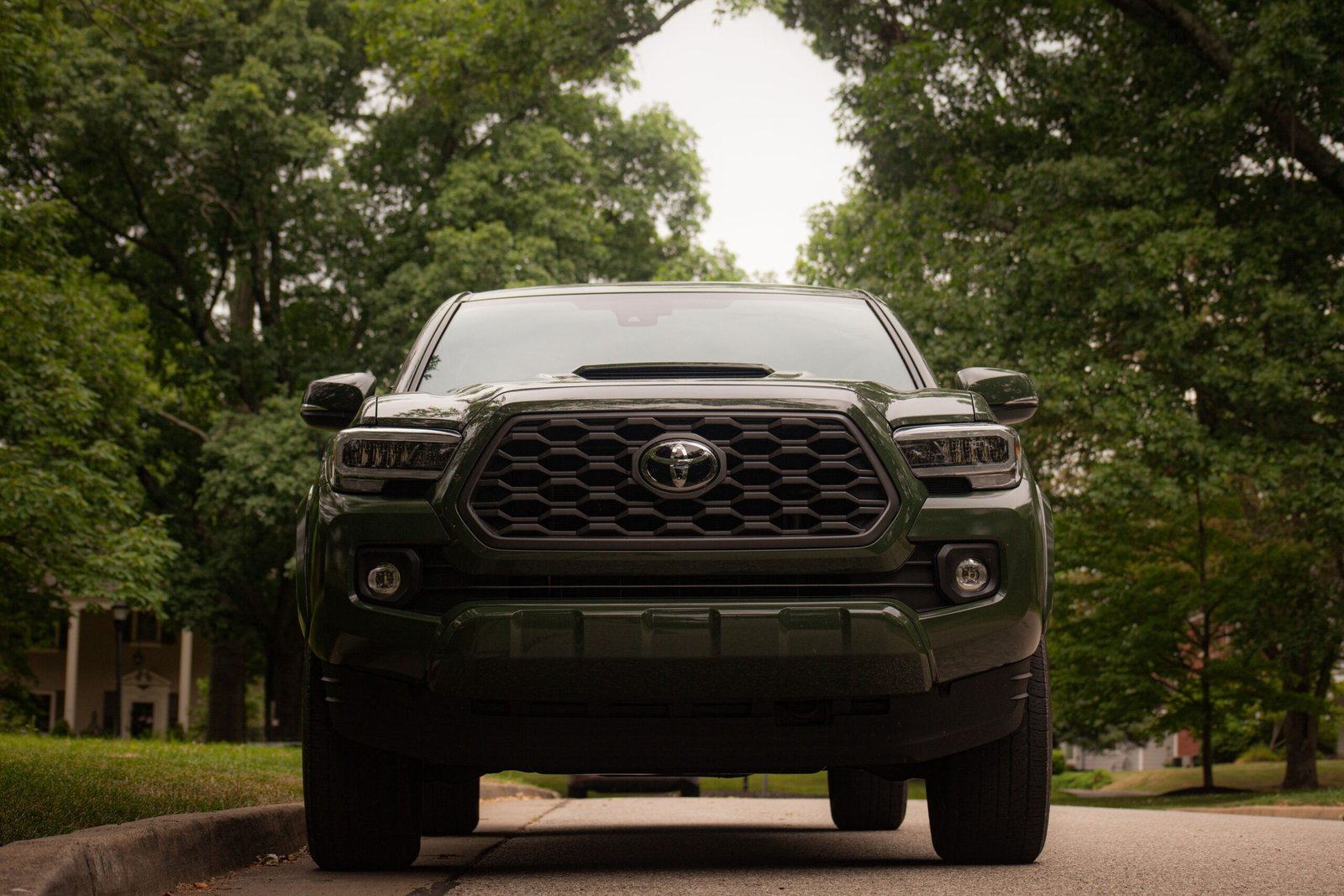
The market for new Toyota trucks continues to attract drivers who want a combination of capability, modern technology, utility, and multiple powertrain choices. Toyota’s current pickup lineup gives buyers different ways to approach truck ownership, with the Tacoma serving the midsize segment and the Tundra positioned as the full-size pickup. Toyota also continues to expand electrified truck technology, with available i-FORCE MAX hybrid powertrains offered in both the Tacoma and Tundra. For buyers researching a new truck in 2026, understanding the differences between these models, their engines, towing capabilities, available configurations, technology, and off-road equipment is an important part of choosing the right vehicle.
The phrase new Toyota trucks can also refer to different models depending on the market. In the United States, Tacoma and Tundra are the key Toyota pickup models, while the globally sold Hilux is another important Toyota truck. In 2026, Toyota introduced a completely redesigned Hilux in Japan, and Toyota’s UK operation describes the new ninth-generation Hilux as offering diesel 48V and battery-electric versions. This means Toyota’s worldwide pickup strategy is becoming increasingly diverse, with traditional gasoline and diesel engines existing alongside hybrid and electric technologies in different markets.
What Are the New Toyota Trucks for 2026?
When researching new Toyota trucks 2026, the two most important U.S. models are the Tacoma and Tundra. The 2026 Tacoma is a midsize pickup designed around everyday utility, outdoor recreation, towing, and off-road driving, while the Tundra is Toyota’s full-size pickup intended for customers who need a larger truck and greater maximum towing capability. Toyota lists the 2026 Tacoma with a starting MSRP of $32,545 in the United States, while the 2026 Tundra starts at $41,260. Actual transaction prices can vary depending on trim, equipment, destination charges, taxes, dealer pricing, and other factors.
The Tacoma and Tundra also demonstrate how Toyota is using different approaches to truck performance. The 2026 Tacoma is available with Toyota’s i-FORCE MAX hybrid powertrain, producing up to 326 horsepower and 465 lb.-ft. of torque. The Tundra offers a larger i-FORCE MAX hybrid system producing 437 horsepower and 583 lb.-ft. of torque, while Toyota lists maximum Tundra towing capacity at up to 12,000 pounds when properly equipped. These figures show that shoppers looking at new Toyota trucks should consider not only the model name but also the engine, drivetrain, configuration, and equipment selected.
2026 Toyota Tacoma: A Midsize Toyota Truck
The 2026 Toyota Tacoma is one of the most recognizable names in the midsize pickup segment. Toyota offers it with an i-FORCE turbocharged gasoline powertrain as well as the available i-FORCE MAX hybrid powertrain. Depending on configuration, buyers can choose an eight-speed automatic transmission or a six-speed manual transmission. Toyota also offers XtraCab and Double Cab configurations, giving shoppers different combinations of passenger space and cargo-bed utility.
For drivers who spend significant time away from paved roads, the Tacoma has a wide range of specialized equipment. Toyota highlights features such as available multi-link rear suspension, Crawl Control and a Stabilizer Disconnect Mechanism on appropriate configurations. The TRD Pro and Trailhunter versions are designed with a stronger emphasis on off-road use, while other Tacoma grades provide a more balanced combination of daily driving, utility, and recreational capability. The variety of configurations is one reason the Tacoma can appeal to customers with very different truck requirements.
The 2026 Tacoma also places considerable emphasis on technology and everyday practicality. An available 14-inch multimedia touchscreen provides access to functions such as navigation and smartphone connectivity, while Toyota also offers an available JBL premium audio system. Depending on configuration, the truck can have a five-foot or six-foot bed, and Toyota uses an aluminum-reinforced composite bed design intended to provide durability without relying on a conventional steel bed surface. Hybrid Tacoma models also include a 2,400-watt onboard AC inverter capable of supplying power to equipment in the bed and cabin.
2026 Toyota Tundra: The Full-Size Toyota Pickup
For buyers who need a larger pickup, the 2026 Toyota Tundra occupies the full-size portion of Toyota’s truck lineup. The Tundra is available with the i-FORCE engine or the i-FORCE MAX hybrid powertrain. Toyota lists the conventional i-FORCE engine at up to 389 horsepower and 479 lb.-ft. of torque, while the i-FORCE MAX reaches 437 horsepower and 583 lb.-ft. of torque. The Tundra uses a 10-speed electronically controlled automatic transmission, and maximum towing capacity reaches 12,000 pounds when properly configured.
The Tundra is offered in a broad range of trims, including SR, SR5, Limited, Platinum, 1794 Edition, TRD Pro and Capstone, with hybrid versions available on selected grades. This allows the same basic full-size pickup platform to serve different purposes, from work-oriented use to luxury-focused driving and off-road recreation. Buyers comparing new Toyota trucks should therefore pay attention to trim-level equipment rather than assuming that every Tundra has identical capabilities or features.
Toyota has also made several updates for the 2026 Tundra. The company lists an updated Capstone interior, available IsoDynamic Performance seats on the Tundra TRD Pro, a new Wave Maker color for TRD Pro, and additional equipment availability for the TRD Rally Package. Toyota also states that a 32.2-gallon fuel tank is standard across all 2026 Tundra grades. These updates add to the range of configurations available to shoppers looking for a new Toyota full-size truck.
New Toyota Trucks and Hybrid Powertrains
Hybrid technology is one of the most important developments in the current Toyota truck lineup. Rather than treating electrification as a separate category from traditional truck capability, Toyota uses its i-FORCE MAX system to combine a turbocharged gasoline engine with an electric motor. In the Tacoma, the available hybrid system produces up to 326 horsepower and 465 lb.-ft. of torque, while the Tundra’s i-FORCE MAX produces 437 horsepower and 583 lb.-ft. of torque.
The hybrid Tacoma also demonstrates that electrification can be useful for more than fuel economy. Toyota equips hybrid Tacoma models with a 2,400-watt onboard AC inverter that can provide electrical power to equipment. For people who use a truck for camping, outdoor activities, job-site tasks, or recreational equipment, this feature can make the truck more versatile. Buyers should still compare the exact specifications of individual trims because available features and capabilities can vary across the lineup.
New Toyota Trucks for Towing
Towing capability is one of the most important considerations when shopping for a pickup, but maximum towing numbers should not be viewed in isolation. The actual towing capacity of a particular truck depends on its configuration, drivetrain, cab, bed, equipment, and other specifications. Toyota lists the 2026 Tundra with a maximum towing capacity of 12,000 pounds, making it the larger Toyota pickup for shoppers whose primary requirement is substantial towing capability.
The Tacoma is positioned differently. Its midsize dimensions can make it appealing to drivers who want a pickup that is easier to use in everyday environments while retaining significant off-road and utility capability. Toyota offers multiple configurations and powertrains, including the i-FORCE MAX hybrid, allowing customers to prioritize different combinations of performance, efficiency, cargo space, and trail capability. Anyone planning to tow regularly should check the exact tow rating of the configuration they intend to purchase rather than relying only on the model’s maximum advertised figure.
Off-Road Features in New Toyota Trucks
Off-road performance is closely associated with Toyota’s truck lineup, particularly the Tacoma and specialized TRD versions of the Tacoma and Tundra. The Tacoma offers available equipment such as Crawl Control, a Stabilizer Disconnect Mechanism and purpose-built suspension configurations. Toyota describes the TRD Pro and Trailhunter as particularly focused on challenging terrain and outdoor adventure.
The Tundra also offers dedicated off-road configurations, including the TRD Pro and TRD Rally Package. Depending on the selected version, buyers can find specialized suspension, tires, underbody protection, and other equipment intended for demanding driving environments. These trucks are still designed for road use, but their available off-road hardware gives buyers additional capability when driving on trails, gravel roads, sand, mud, or other difficult surfaces.
Technology and Interior Features
Modern new Toyota trucks are no longer focused exclusively on mechanical capability. Technology has become an important part of the ownership experience, and the Tacoma demonstrates this with its available 14-inch multimedia touchscreen, wireless Apple CarPlay and Android Auto compatibility, available JBL audio, and various storage solutions. The Tundra similarly offers a technology-rich interior, with available features designed to assist with towing, visibility, connectivity, and everyday convenience.
The increased focus on technology does not eliminate the practical features that truck buyers need. Bed design, storage, rear-seat flexibility, power outlets, towing equipment, cameras, and driver-assistance systems can all influence how useful a pickup becomes in real-world situations. When comparing Toyota trucks, it is therefore helpful to separate entertainment technology from equipment that directly affects work, towing, cargo management, and safety.
New Toyota Trucks Around the World: The Hilux
Although Tacoma and Tundra are particularly important to the U.S. market, the Toyota Hilux remains one of Toyota’s major global pickup models. In May 2026, Toyota announced the launch of a completely redesigned Hilux in Japan. Toyota described the new Hilux as combining updated exterior styling with revised performance, safety, security, and connected features. The Japanese launch used a 1GD diesel engine, while other markets have their own powertrain specifications.
Toyota’s UK operation describes the ninth-generation Hilux as another major step in the model’s development, with diesel 48V and battery-electric versions forming part of its electrified strategy. The availability of these powertrains varies by market, so buyers should not assume that a Hilux configuration offered in one country will be available in another. Nevertheless, the new Hilux illustrates how Toyota’s global pickup strategy is expanding beyond conventional gasoline-powered trucks.
Tacoma vs. Tundra: Which Toyota Truck Fits Different Needs?
The difference between the Tacoma and Tundra is primarily about size, capability, configuration, and intended use. The Tacoma is a midsize pickup with a starting U.S. MSRP of $32,545 for the 2026 model year and offers both gasoline and available hybrid powertrains. The Tundra is a larger full-size pickup starting at $41,260 and offers higher maximum towing capacity, more powerful engine options, and a broader range of large-truck configurations.
A buyer who mainly needs a midsize truck for commuting, recreation, moderate hauling, and off-road activities may focus on the Tacoma’s dimensions and configuration choices. Someone who frequently needs greater towing capability, a larger full-size truck, or the additional power available from the Tundra may instead investigate the Tundra lineup. There is no single configuration that fits every truck owner, which is why comparing intended use, payload requirements, towing requirements, passenger needs, bed length, drivetrain, and budget is more useful than simply choosing a truck based on its size or appearance.
What to Consider Before Buying a New Toyota Truck
Before purchasing one of the new Toyota trucks, start by identifying how the vehicle will actually be used. If towing is a major requirement, determine the weight of the trailer and loaded cargo and then examine the towing rating of the exact truck configuration. If off-road driving is the priority, look at ground clearance, four-wheel-drive availability, suspension equipment, tires, approach and departure angles, and specialized features such as Crawl Control. For daily driving, dimensions, fuel consumption, cabin configuration, technology, ride comfort, parking convenience, and available safety features may deserve greater attention.
Budget should also include more than the advertised starting MSRP. A truck’s final price can increase substantially with higher trim levels, hybrid powertrains, optional packages, larger wheels, accessories, destination charges, taxes, registration, financing costs, and dealer pricing. Toyota’s published prices are useful starting points, but shoppers should check current pricing and inventory in their own market before making a purchase decision. The same principle applies to availability because equipment, colors, trims, and powertrains can vary by region.
Why New Toyota Trucks Continue to Attract Buyers
Toyota’s current truck strategy combines established pickup nameplates with newer technology. Tacoma continues to serve the midsize market with gasoline and hybrid powertrains, while Tundra provides a full-size option with substantial towing capability and an available i-FORCE MAX hybrid system. Toyota is also developing its global pickup portfolio, as demonstrated by the redesigned Hilux and its expanded electrified powertrain strategy in selected markets.
For consumers researching new Toyota trucks, this variety means there are more factors to consider than ever before. The right choice depends on the size of truck needed, how much towing and payload capability is required, whether off-road equipment matters, how many passengers need to be carried, and whether a conventional or hybrid powertrain better matches the buyer’s priorities. Comparing exact specifications and configurations is the best way to understand what each Toyota truck can provide.
Conclusion
The world of new Toyota trucks has become broader and more technologically advanced, with the 2026 Tacoma and Tundra providing two distinct choices for U.S. pickup buyers. The Tacoma combines midsize dimensions with available i-FORCE MAX hybrid power, off-road-focused configurations, useful bed technology, and multiple cab and transmission choices. The Tundra moves into the full-size category with stronger towing capability, powerful gasoline and hybrid engines, numerous trims, and a wide range of work, luxury, and off-road equipment.
Toyota’s global truck story is also evolving, with the redesigned 2026 Hilux introducing new technology and electrified options in selected markets. For anyone searching for a new Toyota pickup, the most useful approach is to compare the models according to actual needs rather than focusing only on appearance or headline specifications. By examining engine choices, towing capacity, bed size, cab configuration, drivetrain, off-road equipment, technology, pricing, and market availability, shoppers can build a much clearer picture of which new Toyota truck configuration matches their requirements.
Frequently Asked Questions About New Toyota Trucks
What are the new Toyota trucks for 2026?
In the U.S. market, Toyota’s primary 2026 pickup trucks are the Tacoma and Tundra. The Tacoma is a midsize pickup, while the Tundra is a full-size pickup. Toyota also offers available i-FORCE MAX hybrid powertrains for both models.
How much does a new Toyota Tacoma cost?
The 2026 Toyota Tacoma has a starting MSRP of $32,545 in the United States, according to Toyota. The final price depends on trim, options, destination charges, taxes, dealer pricing, and other costs.
How much does the 2026 Toyota Tundra cost?
Toyota lists the 2026 Tundra with a starting MSRP of $41,260 in the United States. Higher trims and optional equipment can increase the purchase price considerably.
Does Toyota make hybrid trucks?
Yes. Toyota offers the i-FORCE MAX hybrid powertrain in the Tacoma and Tundra. The 2026 Tacoma i-FORCE MAX produces up to 326 horsepower and 465 lb.-ft. of torque, while the Tundra i-FORCE MAX produces up to 437 horsepower and 583 lb.-ft. of torque.
How much can the new Toyota Tundra tow?
The 2026 Toyota Tundra has a maximum towing capacity of up to 12,000 pounds when properly equipped. Actual towing capacity varies according to the specific configuration and equipment.
Is the Toyota Tacoma available with a manual transmission?
Yes. Toyota lists an available six-speed manual transmission for the 2026 Tacoma, while an eight-speed automatic transmission is also available depending on configuration.
What is the Toyota Hilux?
The Hilux is Toyota’s global pickup truck and is sold in numerous international markets. Toyota launched a completely redesigned Hilux in Japan in 2026, while other markets receive their own versions and powertrain combinations.
Are new Toyota trucks good for off-road driving?
Toyota offers several trucks and configurations specifically equipped for off-road use. The Tacoma, particularly versions such as TRD Pro and Trailhunter, offers features including specialized suspension equipment, Crawl Control, and other trail-focused technologies. Tundra also offers off-road-oriented configurations such as TRD Pro.
Which is bigger, the Tacoma or Tundra?
The Tundra is Toyota’s full-size pickup, while the Tacoma is its midsize pickup in the U.S. lineup. Their different sizes and configurations make them suited to different combinations of passenger, cargo, towing, and driving requirements.
Are Toyota trucks becoming more electrified?
Toyota is expanding electrified powertrain options across its truck lineup. The Tacoma and Tundra already offer i-FORCE MAX hybrid powertrains in the U.S., while the redesigned Hilux has introduced additional electrified powertrain options in selected international markets.

New Toyota Trucks 2026: Tacoma, Tundra, Hybrid Options and Everything You Need to Know
How to Change Battery in Ford Key Fob: A Complete Step-by-Step Guide

Do the Roar: Meaning, Origin, Meme, and Why the Phrase Became Popular

Мистер Икс 2015: Полный обзор сюжета, актеров и интересных фактов

Profile Cute Images: 100+ Best HD Cute Profile Pictures for WhatsApp, Instagram, Facebook & TikTok

Whispering Gallery in Grand Central Terminal: The Hidden Acoustic Wonder Every Visitor Should Experience
 Entertainment3 months ago
Мистер Икс 2015: Полный обзор сюжета, актеров и интересных фактов
- Entertainment4 months ago
Profile Cute Images: 100+ Best HD Cute Profile Pictures for WhatsApp, Instagram, Facebook & TikTok
- nature4 months ago
Whispering Gallery in Grand Central Terminal: The Hidden Acoustic Wonder Every Visitor Should Experience
- Tech4 months ago
Billy SpotFund Login: Complete Guide to Secure Access, Account Recovery, and Troubleshooting
- information3 months ago
Kirsten Barlow Biography: Who Is Joe Lando’s Wife, Family, Marriage, and Private Life?
- NEWS4 months ago
Billy Wayne Smith: Biography, Early Life, Marriage, Family, Career, and Life Story
- Business3 months ago
RobTheCoins Business: Complete Guide to Crypto Trading and Investment
- Business4 months ago
Aldo Jankulla Massachusetts LinkedIn: Professional Profile, Career, and Experience