LIFE STYLE
Ernest Hemingway American: Life, Legacy, and Literary Influence

Published
4 months agoon

Table of Contents
Toggle
Ernest Hemingway American author and novelist is widely regarded as one of the most influential literary figures of the twentieth century. His unique storytelling style, unforgettable characters, and realistic portrayals of courage, love, war, and human endurance transformed modern literature and inspired generations of writers. Known for his concise prose and powerful emotional depth, Hemingway created timeless classics that continue to be read in schools, universities, and homes around the world. His remarkable life, filled with adventure, journalism, travel, and personal struggles, shaped the unforgettable stories that made him a literary icon. This article explores Ernest Hemingway’s biography, writing style, famous books, achievements, legacy, and lasting influence on American literature.
Who Was Ernest Hemingway?
Ernest Hemingway was an American novelist, journalist, and short-story writer born on July 21, 1899, in Oak Park, Illinois. From a young age, he developed a passion for writing and outdoor activities such as fishing and hunting, experiences that later became central themes in many of his novels. Instead of attending college, Hemingway began his career as a newspaper reporter, where he learned the importance of writing clearly and concisely. This journalistic background became the foundation of his distinctive literary voice, characterized by simple language and powerful storytelling. Over the years, he became one of the defining figures of American literature, admired for creating realistic characters and emotionally compelling narratives that reflected both the beauty and brutality of life.
Early Life and Education
Growing up in a supportive family, Hemingway enjoyed nature and developed an appreciation for adventure that remained with him throughout his life. His father introduced him to hunting and fishing, while his mother encouraged music and artistic expression. During high school, he worked for the school newspaper, strengthening his writing skills before becoming a professional journalist. His early experiences helped shape his understanding of people and the world, providing valuable material for the stories he would later write.
Journalism and World War I
Hemingway’s career began in journalism, where he learned to write efficiently and eliminate unnecessary words. During World War I, he volunteered as an ambulance driver in Italy and was seriously injured on the battlefield. His experiences during the war deeply influenced his perspective on courage, suffering, and loss. These themes became central to many of his novels, particularly those exploring the emotional consequences of conflict and the resilience of the human spirit.
Ernest Hemingway’s Writing Style
One of the defining characteristics of Ernest Hemingway’s work is his minimalist writing style. Rather than relying on elaborate descriptions, he used straightforward language that allowed readers to interpret emotions and meaning beneath the surface. This technique became known as the “Iceberg Theory,” suggesting that the most powerful parts of a story remain unspoken while still influencing the narrative. His simple sentences, realistic dialogue, and vivid action scenes created stories that were both accessible and emotionally profound. Writers across the world continue to study and admire this approach because it demonstrates that powerful storytelling often depends on restraint rather than excessive detail.
Famous Books by Ernest Hemingway
Hemingway wrote several novels and short-story collections that remain among the greatest works in American literature. The Sun Also Rises captured the experiences of the Lost Generation following World War I and established Hemingway as a major literary voice. A Farewell to Arms explored love and tragedy against the backdrop of war, earning widespread critical acclaim. For Whom the Bell Tolls examined sacrifice, loyalty, and the Spanish Civil War through unforgettable characters and dramatic storytelling. The Old Man and the Sea, perhaps his most celebrated work, tells the inspiring story of an aging fisherman who battles a giant marlin, symbolizing perseverance, dignity, and hope despite overwhelming challenges.
Awards and Achievements
Ernest Hemingway received numerous honors during his literary career. In 1953, he won the Pulitzer Prize for The Old Man and the Sea, recognizing its exceptional contribution to literature. One year later, he was awarded the Nobel Prize in Literature for his mastery of narrative art and lasting influence on modern writing. These achievements confirmed his place among the greatest authors of all time and demonstrated the worldwide appreciation of his literary contributions.
Ernest Hemingway’s Influence on American Literature
Hemingway transformed American literature by introducing a fresh, direct style of writing that departed from the ornate prose common in earlier generations. His work inspired countless authors to embrace simplicity, realism, and emotional authenticity. Themes of courage, personal honor, survival, and resilience continue to resonate with readers because they address universal human experiences. Beyond his novels, Hemingway influenced journalism, creative writing education, and literary criticism, making his legacy visible across multiple forms of storytelling.
Personal Life
Outside his literary career, Hemingway led an adventurous and often turbulent life. He traveled extensively throughout Europe, Africa, and Cuba, participating in activities such as deep-sea fishing, hunting, and reporting on international conflicts. Although these adventures enriched his writing, he also faced significant personal struggles, including injuries, health issues, and depression. Despite these challenges, he continued producing influential works that reflected both his extraordinary experiences and his deep understanding of human emotions.
Ernest Hemingway’s Legacy
Today, Ernest Hemingway remains one of America’s most celebrated authors. His novels are translated into dozens of languages and continue to inspire readers across cultures and generations. Universities regularly include his works in literature courses because of their artistic significance and enduring themes. His writing demonstrates that powerful stories can emerge from simple language when combined with authentic emotion and keen observation. More than half a century after his death, Hemingway’s influence continues to shape modern fiction, journalism, and creative writing around the world.
Interesting Facts About Ernest Hemingway
Ernest Hemingway worked as a journalist before becoming a full-time novelist. He served as an ambulance driver during World War I and was seriously wounded in Italy. He lived in several countries, including France and Cuba, gaining inspiration from different cultures and experiences. His writing philosophy emphasized clarity, precision, and emotional honesty, making him one of the pioneers of modern literary minimalism. His adventurous lifestyle became almost as famous as his books, contributing to his enduring public image.
Conclusion
Ernest Hemingway American author and literary legend transformed the world of literature through his remarkable storytelling, distinctive writing style, and unforgettable novels. His experiences as a journalist, soldier, traveler, and observer of human nature enabled him to create stories that continue to resonate with readers across generations. From The Old Man and the Sea to For Whom the Bell Tolls, his works remain timeless examples of courage, resilience, and the complexity of life. His influence on American literature and modern writing ensures that Ernest Hemingway’s legacy will continue inspiring readers and writers for generations to come.
Frequently Asked Questions (FAQs)
Who was Ernest Hemingway?
Ernest Hemingway was an American novelist, journalist, and Nobel Prize-winning author known for his minimalist writing style and influential works of fiction.
Why is Ernest Hemingway famous?
He is famous for writing classic novels such as The Old Man and the Sea, A Farewell to Arms, and For Whom the Bell Tolls, as well as for shaping modern literary style.
What was Ernest Hemingway’s writing style?
His writing style emphasized simplicity, concise language, realistic dialogue, and the “Iceberg Theory,” where deeper meanings are implied rather than explicitly stated.
What awards did Ernest Hemingway win?
He won the Pulitzer Prize in 1953 for The Old Man and the Sea and the Nobel Prize in Literature in 1954.
What are Ernest Hemingway’s most famous books?
His best-known works include The Old Man and the Sea, A Farewell to Arms, The Sun Also Rises, For Whom the Bell Tolls, and To Have and Have Not.
Why is Ernest Hemingway important to American literature?
Hemingway revolutionized American literature with his clear, direct writing style and realistic storytelling, influencing generations of writers worldwide.
You may like
LIFE STYLE
Teachers Pay Teachers Gift Card: Everything You Need to Know
Published
3 months agoon
July 30, 2026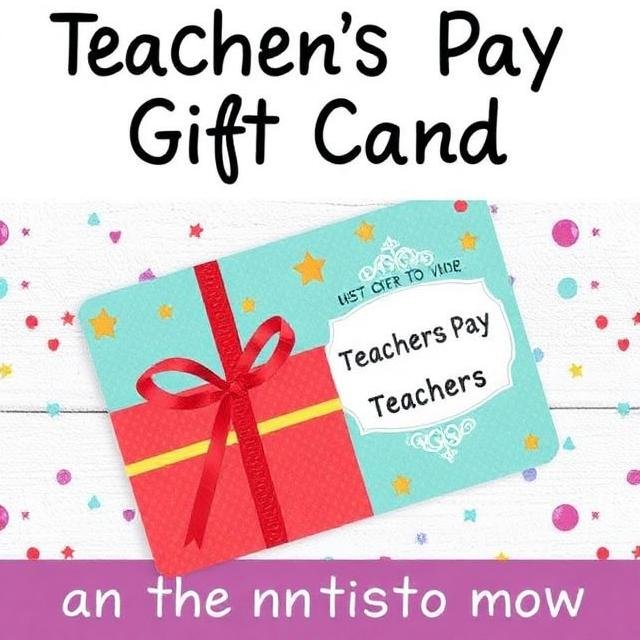
Table of Contents
ToggleFinding a useful gift for a teacher can sometimes be difficult because teachers have different classroom needs, grade levels, subjects, and teaching styles. While traditional gifts such as mugs, candles, flowers, and gift baskets can be thoughtful, many educators appreciate gifts that directly support their classrooms and save them time. This is why the search term “teacherspayteachers gift card” has become popular among parents, school staff, administrators, and people looking for meaningful teacher appreciation gifts. A gift connected to educational resources can help teachers discover classroom activities, lesson plans, printable worksheets, learning games, assessment materials, and other resources that may be useful during the school year.
Teachers Pay Teachers, commonly known as TPT, is an online educational marketplace where teachers and educational creators share and sell teaching resources. Because the platform contains a wide variety of materials, many people wonder whether they can purchase a dedicated Teachers Pay Teachers gift card, send store credit to a teacher, or give access to educational resources as a present. The answer may depend on the platform’s current purchasing and gifting features, which can change over time. For that reason, anyone planning to buy a gift should check the latest options directly on the official TPT website before making a purchase.
This complete guide explains the idea behind a Teachers Pay Teachers gift card, why educational resources can make valuable gifts, what alternatives may be available, and how to choose the right gift for an educator. It also provides practical suggestions for parents, schools, administrators, and teacher appreciation groups that want to give something useful and memorable.
What Is a Teachers Pay Teachers Gift Card?
A Teachers Pay Teachers gift card generally refers to a gift that allows an educator to obtain teaching resources from the TPT marketplace. However, it is important to distinguish between a dedicated platform gift card and other types of gift options. Some people use the phrase broadly to describe any amount of money, credit, reimbursement, or digital gift that can help a teacher purchase resources. Before buying, check whether TPT currently provides an official gift-card or gifting feature and review the terms associated with that option. Platform features, payment methods, and gift policies may change, so current information should always come from the official website.
The appeal of a Teachers Pay Teachers gift card is easy to understand. Teachers often know exactly what their students need, but the resources they want may vary widely. One teacher may need reading comprehension activities, while another may be searching for math centers, science experiments, classroom decor, special education materials, or seasonal worksheets. Giving the teacher flexibility can be more useful than selecting one specific classroom product without knowing whether it matches the teacher’s curriculum.
A gift connected to educational resources can also recognize the amount of time teachers spend preparing lessons. Many educators create materials themselves, search for activities, modify worksheets, and organize classroom content outside regular teaching hours. Access to ready-to-use resources may help reduce preparation time and provide new ideas. For this reason, a TPT-related gift can be viewed as both a practical classroom contribution and a thoughtful gesture of appreciation.
Why a Teachers Pay Teachers Gift Can Be Valuable
Teachers frequently invest their own time and money into classroom supplies and educational materials. Although the amount and type of spending differ among teachers and school systems, many educators look for resources that make lessons more engaging and organized. A gift that supports educational purchases can give teachers greater freedom to choose materials that fit their students, curriculum, and teaching approach.
Unlike a general gift, an education-focused gift may have a direct impact on classroom learning. A teacher might use the gift to purchase a complete lesson unit, printable activities, interactive learning materials, classroom management tools, assessment resources, or subject-specific content. The value is not limited to the original purchase because a useful resource may be used with many students and adapted for future school years.
Another benefit is personalization. Teachers work with different age groups and subjects, so a one-size-fits-all gift may not always be ideal. A flexible gift allows the recipient to select something relevant. An elementary teacher may choose phonics activities or classroom centers, while a middle school teacher may look for writing assignments or science resources. A special education teacher may prefer differentiated activities, visual supports, or individualized learning materials. Allowing the teacher to make the final choice can make the gift more practical.
Can You Buy a Teachers Pay Teachers Gift Card?
People searching for “Can you buy a Teachers Pay Teachers gift card?” should verify the current options directly through the official platform. Digital marketplaces sometimes introduce, remove, or update gift-card programs, payment features, promotional credits, and gifting tools. A feature that was available at one time may not be available later, and the details may vary depending on the user’s location or account.
If an official TPT gift card or gift-credit option is available, follow the instructions and terms shown on the platform. Review whether the gift can be delivered digitally, whether it has an expiration date, whether it can be used for all products, and whether any restrictions apply. It is also useful to confirm how the recipient will receive and redeem the gift.
If a dedicated gift card is not available, there are other ways to give a teacher financial support for educational resources. A general-purpose digital gift card, a reimbursement arrangement, or a classroom resource budget may provide flexibility. The giver can include a note explaining that the gift is intended for educational materials, lesson resources, or classroom needs. This approach may not function exactly like a TPT gift card, but it can still help the teacher select resources that are appropriate for their classroom.
Teachers Pay Teachers Gift Card Alternatives
When an official platform-specific gift card is unavailable or does not meet the giver’s needs, several alternatives can provide similar value. The best option depends on the teacher’s preferences and the policies of the school or organization.
One option is a general digital gift card that can be used for online purchases. This may give the teacher more flexibility because they can choose how to use the gift. If the purpose is to support educational resources, the giver can include a message stating that the gift is intended to help with lesson planning, classroom activities, or teaching materials. The teacher can then decide whether to use it for digital resources, classroom supplies, books, printing, or another professional need.
Another option is direct reimbursement. A parent group, school, administrator, or education organization may establish a small budget and allow teachers to submit receipts for approved educational purchases. This method can be useful when a group wants to support several teachers fairly. It also provides a clear process for tracking expenses and ensuring that the funds are used for classroom purposes.
A classroom resource fund is another practical idea. Instead of giving a single gift to one teacher, a school community can collect contributions and create a shared budget. Teachers may be able to request resources based on their classroom needs. This approach can be especially helpful when the goal is to support multiple grade levels or departments.
Some people also choose to purchase a specific educational resource after consulting the teacher. This can work well when the teacher has already identified a particular lesson bundle, activity set, or classroom tool. However, it is important to ask first because digital resources may have licensing rules. The teacher may need to purchase the resource through their own account, and sharing purchased digital files may not be permitted under the seller’s terms.
How to Choose the Right Teacher Gift
The best teacher gift is usually one that is useful, respectful, and appropriate for the recipient. Before selecting a Teachers Pay Teachers gift card or alternative, consider the teacher’s grade level, subject, classroom needs, and personal preferences. A teacher who works with young children may value different resources than a teacher who teaches high school students. The goal should be to provide flexibility rather than make assumptions about what the teacher needs.
It is also important to consider the size of the gift. A modest gift can still be meaningful because even a small amount may help a teacher purchase a useful activity or resource. If a group is contributing, combining smaller donations can create a larger classroom budget. The value should fit the giver’s budget and should not create pressure for other parents, students, or staff members.
A personal message can make the gift more memorable. Instead of giving only a card or digital credit, include a note that recognizes the teacher’s effort. A message such as, “Thank you for helping our students learn and grow. We hope this gift supports your classroom and saves you time,” connects the gift with the teacher’s work. Appreciation does not have to be expensive to be meaningful.
How Parents Can Use This Gift Idea
Parents often look for teacher appreciation gifts at the beginning or end of the school year, during holidays, or for special recognition events. A Teachers Pay Teachers gift card idea can be attractive because it focuses on the teacher’s professional needs. Rather than selecting a decorative item that may not be used, parents can offer support that may benefit the classroom.
A parent can organize a group gift by inviting families to contribute a small optional amount. The total can then be used for an approved educational gift, a classroom resource budget, or another flexible option. Group gifts can reduce pressure on individual families and allow everyone to participate according to their own circumstances.
Communication is important when organizing a group gift. Parents should make it clear that participation is voluntary and that there is no expectation to contribute. The group should also follow school policies regarding teacher gifts. Some schools have limits or rules concerning gift values, reimbursement, or the types of gifts employees may accept.
How Schools and Administrators Can Support Teachers
School leaders can use the Teachers Pay Teachers gift card concept as part of a larger teacher support program. Instead of relying only on traditional appreciation events, administrators may provide resource budgets, professional learning funds, or approved purchasing allowances. These programs can help teachers access materials that align with their curriculum and classroom goals.
A well-designed resource program should include clear guidelines. Teachers should know the available budget, eligible purchases, reimbursement process, and any deadlines. Schools may also want to consider licensing requirements, district purchasing policies, student privacy rules, and curriculum standards. Clear communication can prevent confusion and make the program easier to manage.
Administrators can also collect feedback after teachers use the funds. Teachers may explain which resources were helpful, whether the purchasing process was simple, and what improvements could be made. This feedback can help schools design better support programs in future years.
Important Things to Check Before Buying
Before purchasing any Teachers Pay Teachers gift card or alternative, review the current terms and conditions. Check whether the option is officially offered, how the recipient receives it, and whether the gift has restrictions. If the gift involves digital content, confirm the licensing rules and make sure the teacher will be able to access the resource through the correct account.
Do not assume that purchasing a digital resource allows it to be copied, shared, or distributed to other teachers. Educational resources may have individual, classroom, school, or district licensing requirements. The correct license should be selected based on how the material will be used. Respecting the creator’s terms helps support the educators who develop and sell resources.
It is also useful to check the school’s gift policy. Some districts limit the value of gifts that teachers may accept or provide guidelines for gifts from parents and community groups. A gift intended for classroom use may be treated differently from a personal gift. Reviewing the policy before purchasing can help avoid problems.
Benefits of Giving Educational Resources Instead of Traditional Gifts
Traditional teacher gifts can be enjoyable, but they may not always match the teacher’s needs. Teachers may receive several similar items, such as mugs, candles, or decorative products. Educational support can provide a different kind of value because it may help with lesson preparation, student engagement, and classroom organization.
A resource-focused gift can also have a longer impact. A useful lesson plan or activity may be used repeatedly, adapted for different groups, or saved for future school years. The gift may therefore benefit more than one class. This does not mean that traditional gifts are less thoughtful; it simply means that educational gifts offer a practical alternative for people who want to support a teacher’s professional work.
The best choice may be a combination of both. A small personal gift, a handwritten thank-you note, and a flexible classroom resource contribution can create a balanced expression of appreciation. The personal element recognizes the teacher as an individual, while the educational support acknowledges the work they do in the classroom.
Tips for Giving a Teachers Pay Teachers Gift
When giving a TPT-related gift, make the purpose clear. Tell the teacher that the gift is intended to support classroom learning, educational resources, or lesson planning. If the gift is a flexible payment method rather than an official TPT gift card, explain that the teacher can choose the resources that are most useful.
Consider the timing as well. The beginning of a school term may be helpful because teachers are planning lessons and organizing classrooms. Teacher Appreciation Week is another popular time, although a gift can be meaningful at any point during the year. End-of-year gifts can also help teachers prepare for the next school year.
If you are purchasing a specific resource, ask the teacher whether it is already owned or whether it fits the curriculum. Digital products can be difficult to return, and duplicate purchases may not be useful. Giving the teacher the ability to choose is often the safest option.
Conclusion
A teacherspayteachers gift card is an appealing idea because it connects teacher appreciation with practical classroom support. Teachers often need resources that match their subjects, grade levels, teaching styles, and students’ learning needs. A flexible educational gift can allow an educator to select lesson materials, activities, printables, assessments, or other tools that are relevant to the classroom.
Because gift-card programs and platform features can change, buyers should confirm the latest information through the official Teachers Pay Teachers website before making a purchase. If an official gift card is not available, alternatives such as a general digital gift card, reimbursement program, classroom resource fund, or approved education budget may provide similar benefits.
The most important part of any teacher gift is the appreciation behind it. A thoughtful note, a useful resource budget, and respect for the teacher’s professional needs can make a gift meaningful. Whether the gift is large or small, supporting educators with flexible and practical resources is a valuable way to recognize their work.
Frequently Asked Questions
1. Does Teachers Pay Teachers have a gift card?
Gift-card and gifting options can change over time. Check the official Teachers Pay Teachers website for the latest information about available gift cards, credits, purchasing methods, and terms.
2. How can I buy a Teachers Pay Teachers gift card?
If an official gift-card option is available, follow the current purchasing instructions on the TPT website. If no dedicated option is available, consider a flexible digital gift, reimbursement, or classroom resource budget.
3. What can a teacher buy with a TPT-related gift?
Depending on the available purchasing method and current platform rules, teachers may use funds to obtain educational resources such as lesson plans, worksheets, classroom activities, learning games, assessments, subject-specific materials, and teaching tools.
4. Is a Teachers Pay Teachers gift a good teacher appreciation present?
Yes. It can be a practical gift because teachers may choose resources that fit their grade level, subject, curriculum, and classroom needs.
5. Can parents give a group gift to a teacher?
Yes, a group gift may be a useful option. Families can make voluntary contributions and combine them into an educational resource budget or another approved gift. Check the school’s gift policy before organizing the collection.
6. What are the best alternatives to a Teachers Pay Teachers gift card?
Possible alternatives include a general digital gift card, direct reimbursement for approved educational purchases, a classroom resource fund, or a school-provided teaching budget.
7. Can I buy a specific TPT resource for a teacher?
You may be able to purchase a specific resource, but you should first check the teacher’s needs and review the product’s licensing rules. The teacher may need to obtain the resource through their own account.
8. Can teachers share purchased TPT resources with other teachers?
Not necessarily. Digital resources may have licensing restrictions. Review the seller’s terms and purchase the appropriate license for individual, classroom, school, or district use.
9. How much should I spend on a teacher gift?
There is no required amount. Choose a value that fits your budget and follows school policies. A small gift with a sincere thank-you message can still be meaningful.
10. Is a digital teacher gift better than a physical gift?
Neither is automatically better. A digital educational gift may offer more flexibility and classroom value, while a physical gift can feel personal. Combining a thoughtful note with a flexible educational contribution can provide both benefits.

New Toyota Trucks 2026: Tacoma, Tundra, Hybrid Options and Everything You Need to Know
How to Change Battery in Ford Key Fob: A Complete Step-by-Step Guide

Do the Roar: Meaning, Origin, Meme, and Why the Phrase Became Popular

Мистер Икс 2015: Полный обзор сюжета, актеров и интересных фактов

Profile Cute Images: 100+ Best HD Cute Profile Pictures for WhatsApp, Instagram, Facebook & TikTok

Whispering Gallery in Grand Central Terminal: The Hidden Acoustic Wonder Every Visitor Should Experience
Trending
 Entertainment3 months ago
Мистер Икс 2015: Полный обзор сюжета, актеров и интересных фактов
- Entertainment4 months ago
Profile Cute Images: 100+ Best HD Cute Profile Pictures for WhatsApp, Instagram, Facebook & TikTok
- nature4 months ago
Whispering Gallery in Grand Central Terminal: The Hidden Acoustic Wonder Every Visitor Should Experience
- Tech4 months ago
Billy SpotFund Login: Complete Guide to Secure Access, Account Recovery, and Troubleshooting
- information3 months ago
Kirsten Barlow Biography: Who Is Joe Lando’s Wife, Family, Marriage, and Private Life?
- NEWS4 months ago
Billy Wayne Smith: Biography, Early Life, Marriage, Family, Career, and Life Story
- Business3 months ago
RobTheCoins Business: Complete Guide to Crypto Trading and Investment
- Business4 months ago
Aldo Jankulla Massachusetts LinkedIn: Professional Profile, Career, and Experience